We ship across the U.S. and Canada. Visit our showrooms in Atlanta, Tampa and Naples and Nashville!
A secure entrance does more than look substantial. It should resist forced pressure, protect privacy, and operate reliably every day. This guide examines the 10 best residential doors for home security in 2026, using practical features rather than appearance alone. We consider door construction, frame strength, hinge protection, lock compatibility, glazing, weather resistance, and installation quality.
Security is layered.
During real-world evaluations, small details often reveal major weaknesses. A sturdy steel slab can still fail when its frame flexes or its strike plate uses short screws. A beautiful solid-wood door may perform well, but it needs regular maintenance against moisture and warping. Fiberglass can offer durability and insulation, although its performance depends on the core and hardware. These differences matter when a door faces heavy rain, temperature changes, or repeated daily use.
This review combines manufacturer specifications, recognized testing principles, and practical installation experience. We give attention to certified impact ratings, fire labels, multipoint locks, reinforced frames, and properly fitted thresholds. Local building requirements may differ, so readers should confirm relevant standards before purchasing. Professional installation also deserves serious consideration. Even the best product can underperform when the frame is uneven or the hinges are poorly anchored.
No door is perfect.
The strongest choice depends on your home’s design, climate, budget, and existing entry system. We also question common assumptions, because a heavier door is not automatically safer. Reliable security comes from compatible components working together, not from one impressive feature.
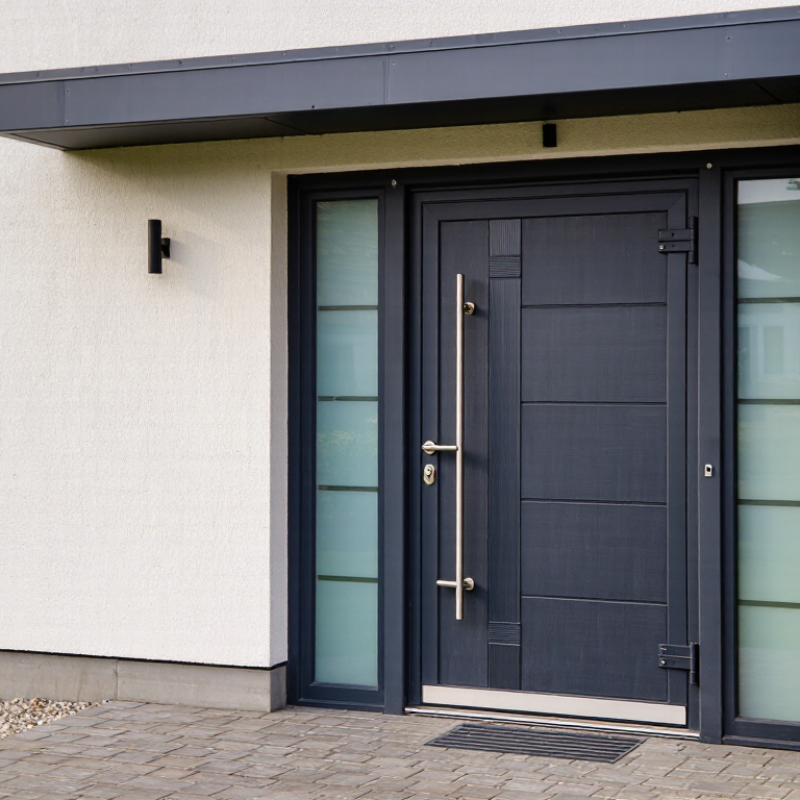
What makes a residential door secure in 2026? It is the complete entry assembly, not the door slab alone. The FBI’s 2023 Crime Data Explorer recorded 847,522 burglary offenses in the United States. That figure covers all burglary locations, so it cannot predict every home’s risk. Still, it supports careful entry protection. A secure door should have a solid or reinforced core, a tested deadbolt, and a reinforced strike plate. The bolt should extend deeply into the frame. Three-inch structural screws help reach the wall framing. Short screws often protect only thin trim. That is a common weakness.
Professional inspection should also examine hinges, glazing, the frame, and the surrounding wall. ASTM F476 provides performance methods for residential door assemblies, while recognized building and hardware standards address lock strength and forced-entry resistance. Look for independently tested assemblies, not impressive labels. A small glass panel near the handle deserves special attention. Laminated security glass can delay breakage, but it is not unbreakable. Door closers, weather seals, and accurate alignment also matter. A badly fitted door may leave a visible gap.
Connected locks add convenience, yet they create another attack surface. NIST Cybersecurity Framework 2.0 recommends asset awareness, strong authentication, updates, and recovery planning. I would avoid treating a keypad as automatically safer. Use unique credentials and maintain a physical backup. Fire safety and emergency exit requirements must remain intact. More security can sometimes slow evacuation. That trade-off deserves honest review.
Comparative security design scores for common residential door types
Scores are based on a 100-point design framework covering door-panel resistance, frame and lock integration, glazing resistance, forced-entry protection, and long-term structural performance. Solid cores, reinforced frames, multipoint locks, properly installed strike plates, and laminated security glass generally improve residential door security. Installation quality and the surrounding wall structure can significantly affect real-world performance.
For the 10 best residential doors in 2026, material matters less than complete construction. The FBI’s 2022 Crime Data Explorer recorded 847,522 burglary offenses nationwide. However, that report does not identify the door material used. A steel door with a weak frame can still fail quickly. A solid-wood door may perform better with reinforced hardware.
Steel
Fiberglass
Wood
Steel offers strong resistance and stable performance in wet climates. Choose a thick slab with a reinforced edge and a rigid frame. Fiberglass resists moisture, dents, and seasonal movement. Its internal core still matters. Solid wood provides weight and impact resistance, but it needs regular sealing. The most important details include a continuous strike plate, three-inch structural screws, protected hinges, and a multi-point locking system. Laminated glass is preferable near locks. It is harder to break through than standard glass.
Tips: Inspect the frame, not only the slab. Push against the closed door and watch for movement. Ask for tested performance under standards such as ASTM F476. Check fire ratings separately. I would not trust a “security door” label alone. Installation errors remain common, and even excellent materials cannot correct a loose jamb. The best choice depends on climate, wall structure, visibility, and daily use.
Comparing the 10 Best Residential Door Types
Choosing a residential door depends on forced-entry resistance, weather exposure, visibility, and daily use. The FBI’s 2023 Crime Data Explorer recorded 847,522 burglary offenses in the United States, showing why the complete door assembly matters. A strong slab cannot compensate for a weak frame or short screws.
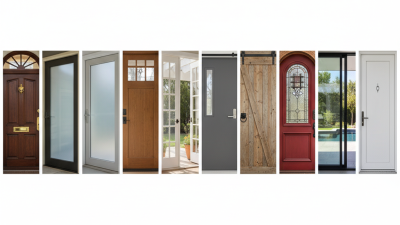
Solid-core wood doors offer weight and repairability, while steel doors usually provide stronger impact resistance. Fiberglass resists moisture and dents, making it practical for exposed entrances. Composite doors balance insulation and durability, although their quality varies widely. Aluminum doors are light and corrosion-resistant, but they may need reinforced cores. Glass-panel doors improve daylight, yet laminated glass is safer than ordinary glass.
Different layouts create different risks. French doors need secure meeting stiles and properly anchored hinges. Sliding patio doors require anti-lift blocks and reinforced tracks. Dutch doors need carefully aligned upper and lower bolts. Security screen doors improve ventilation, but thin mesh is not a serious barrier. Decorative glass doors look welcoming, though visibility can reveal household routines.
Independent testing deserves attention. ASTM F476 evaluates residential door assemblies, while ANSI/BHMA lock grades help compare hardware performance. Energy Star guidance also emphasizes weatherstripping and correctly fitted frames for efficiency. I would not select a door by lock grade alone. Installation errors remain common. A qualified installer should anchor the frame into structural material, check the strike alignment, and test the latch repeatedly. No door wins every test.
A secure residential door now depends on more than a solid core and strong hinges. Smart locks can use encrypted communication, temporary codes, fingerprints, or mobile credentials. Choose a system with access logs, low-battery alerts, and a mechanical backup. Batteries fail. That detail still matters.
Access control should match household routines. A keypad can give cleaners or relatives time-limited entry without sharing a permanent key. An automatic deadbolt can lock after departure, but its timing should be tested carefully. A short delay may protect convenience, while a rushed setting can create problems. I recommend checking the lock manually each week.
The door frame deserves equal attention. A reinforced strike area, long structural screws, protected hinges, and a wide-angle viewer improve physical resistance. Connect smart locks to door-position sensors, lighting, and a monitored alarm when appropriate. Keep software updated, use unique passwords, and enable multi-factor authentication. Privacy settings need review, too. Some systems collect detailed entry histories, which may be useful but uncomfortable. A practical setup combines strong materials, limited permissions, reliable power, and regular inspections. Technology helps, but it cannot correct a warped frame or careless access habits.
Choosing a secure residential door starts with the frame, not the decoration. The FBI’s 2023 Crime Data Explorer recorded more than 800,000 burglary offenses nationwide. A solid-core wood, steel, or reinforced composite door can resist forced impact better than a lightweight hollow door. Check the door’s tested performance, hinge design, deadbolt, and strike plate. Use long structural screws that reach the wall framing. A strong lock is useless when the frame splits.
Glass needs careful judgment. Laminated glazing is harder to penetrate than ordinary household glass. Keep decorative panels away from the lock area when possible. A multi-point locking system can improve resistance, but poor installation still creates weakness.
Ask for documented testing against recognized residential door standards, such as ANSI/BHMA or ASTM requirements. Standards matter. Marketing claims do not.
Maintenance is less dramatic, but it often decides whether security works. Test the latch every few months. The bolt should extend fully without lifting or pushing the door. Tighten loose hinges, replace worn weatherstripping, and inspect the frame for swelling or rust. Keep the emergency exit usable. NFPA research consistently shows that home structure fires cause most civilian fire deaths, so a door must secure the home without trapping occupants. I have seen owners add extra locks but ignore a sagging frame. That is an easy mistake. Security deserves regular, imperfect checks.