How to Choose the Best Home Doors for Your Needs?
When selecting home doors, it’s essential to evaluate various factors. The right doors can enhance security, energy efficiency, and aesthetics. According to industry reports, replacing old doors can lead to a return on investment of up to 70%. Home doors serve as the first line of defense against intruders and the elements.
Materials play a significant role in durability and insulation. Steel and fiberglass doors tend to offer greater security compared to traditional wooden options. However, wood doors provide a classic appeal that some homeowners prefer. A survey from the National Association of Home Builders indicates that nearly 80% of homebuyers prioritize door quality in their decision-making.
Additionally, installation quality is crucial. Poorly installed doors can lead to energy losses and security risks. Finding reliable contractors ensures proper installation, impacting long-term functionality. Always reconceptualize your choices based on personal needs, style, and market trends. Reflecting on your decisions leads to better outcomes in home door selection.
Understanding Different Types of Home Doors Available on the Market
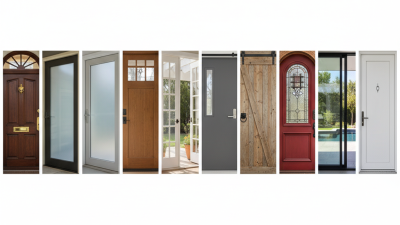
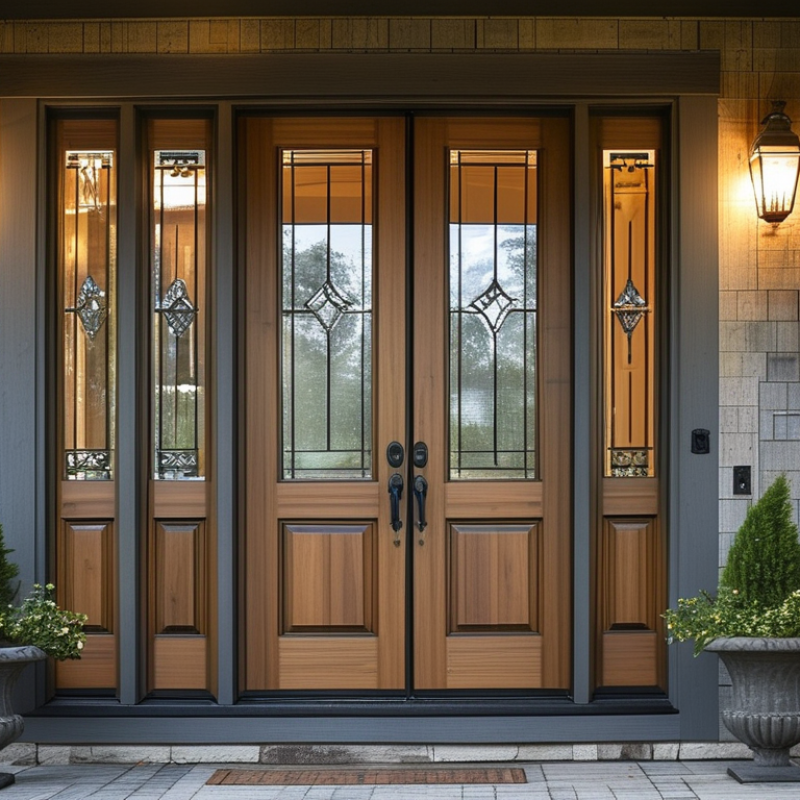
Choosing the right home door can significantly impact aesthetics and security. There are various types available, each with unique characteristics. Wooden doors provide warmth and style, while fiberglass doors offer durability and low maintenance. Steel doors add an extra layer of security but may not match traditional home aesthetics.
According to industry reports, over 60% of homeowners prioritize energy efficiency when selecting doors. Insulated doors can reduce heating and cooling costs. Reinforced doors are also vital in areas prone to extreme weather. However, these options can be more expensive and require regular maintenance.
While appearance matters, functionality cannot be overlooked. Consider how often doors will be used. For instance, heavy traffic areas may need sturdier models. Balancing different needs can lead to doubts. What sacrifices are you willing to make? Values and priorities differ among homeowners, making this a personal decision. Understanding the options helps clarify your choices.
Evaluating Material Options for Home Doors: Pros and Cons
When choosing home doors, the material is crucial. Each option offers unique benefits and drawbacks. Wood doors provide a classic look and natural insulation, yet they require regular maintenance. Over time, wood can warp or rot if not cared for properly. Metal doors are durable and secure. They withstand harsh weather well. However, they can dent easily, and their aesthetic appeal might not suit every home style.
Fiberglass doors are gaining popularity. They resist dents, rust, and provide excellent insulation. Yet, they can be pricier than other materials. Consider the climate where you live. In humid areas, wood may not hold up as well. If you seek low maintenance, fiberglass or metal could be better.
Tips: Always evaluate your home’s style before choosing a door. A mismatched door can detract from your home's appeal. Additionally, test the doors physically in the store. Sometimes, what looks good may feel cheap. Investing time to assess your options will pay off. It’s okay to feel uncertain—take your time to find the right fit.
Assessing Energy Efficiency and Security Features in Doors
When selecting home doors, assessing
energy efficiency and
security features is crucial.
Doors can significantly affect your home's energy consumption. According to the
U.S. Department of Energy,
up to 30% of heating and cooling energy can be lost
through doors. This statistic emphasizes the importance of choosing doors with good
insulation properties. Look for doors rated with high energy-efficiency labels.
These can help reduce your utility bills.
Security is another fundamental aspect.
A report from the International Association of Certified Home Inspectors
states that residential break-ins often occur through doors.
Reinforced frames and multi-point locking systems
enhance security. Additionally, the material of the door can impact both energy efficiency and security.
Solid wood doors offer better insulation than hollow-core variants and are typically more resistant to
forced entry.
However, not all doors fit every situation. Some
energy-efficient doors may have a higher initial cost.
It's essential to evaluate the long-term savings against this initial investment. Homeowners may also overlook
maintenance; improperly maintained doors can reduce energy efficiency and security over time.
Regular inspections and timely repairs are necessary for optimal performance.
Determining the Right Size and Style to Match Your Home's Aesthetic
Choosing the right size and style for your home doors is essential to enhance your home’s aesthetic. Start by measuring your door openings accurately. Standard sizes exist, but custom options may be necessary for unique spaces. Consider how these dimensions will impact both function and design. A door that is too small may feel out of place, while one that is overly large can overwhelm the surroundings.
Next, focus on style. Your door should reflect the overall character of your home. For instance, a modern home may benefit from sleek, minimalistic designs with clean lines. In contrast, a traditional home might look better with ornate details and rich colors. Think about materials as well. Wood provides warmth, while glass adds a contemporary touch. Mixing styles can come off as disjointed. Sometimes, less is more, leading to a unified look.
Don’t forget about durability. Choose doors that can withstand the elements if you live in a harsh climate. Even the most beautiful door will fail if not built to last. Allow yourself space for reflection. Consider how your choices will evolve over time. Prioritizing both style and functionality will ensure that your selections not only appeal today but also resonate in the future.
How to Choose the Best Home Doors for Your Needs?
| Door Type |
Material |
Size (inches) |
Style |
Color Options |
Estimated Cost ($) |
| Entry Door |
Fiberglass |
36 x 80 |
Modern |
White, Black, Blue |
1500 |
| Interior Door |
Hollow Core |
30 x 80 |
Transitional |
Natural Wood, White |
200 |
| Patio Door |
Vinyl |
72 x 80 |
Contemporary |
White, Gray |
1200 |
| French Door |
Wood |
60 x 80 |
Classic |
Natural, Painted |
1800 |
| Sliding Door |
Aluminum |
72 x 80 |
Modern |
Silver, Black |
900 |
Considering Budget Constraints and Installation Requirements for Doors
When selecting home doors, budget constraints often play a vital role.
It's important to define your budget clearly before beginning your search.
Think about how much you're willing to spend, including costs for materials and installation.
High-quality doors offer durability but can be pricey.
Evaluate different materials like wood, fiberglass, or steel,
each with varying costs and maintenance needs.
Installation requirements should also be addressed early on.
Complex door designs may need professional installation, which adds extra cost.
Consider whether you can install the door yourself or if you need a skilled professional.
Research local regulations about door installation for safety and compliance.
Sometimes, choosing a simpler design can ease installation challenges.
It's crucial to reflect on your choices. While you want aesthetically pleasing doors,
balance that with functionality and cost.
Think about long-term value, as the right door can improve energy efficiency.
Engage with trusted sources or professionals to better understand your options.
Their insights can help clarify which choices align with your budget
and installation needs.