We ship across the U.S. and Canada. Visit our showrooms in Atlanta, Tampa and Naples and Nashville!
China’s wrought iron entry door industry serves residential, hospitality, and commercial projects worldwide. Demand is influenced by new construction, renovation, security expectations, and architectural customization. Grand View Research identifies construction activity and remodeling as important drivers across the broader global doors market. Its findings offer useful context, although they do not isolate every wrought iron product category.
This guide examines China’s top 10 wrought iron entry door manufacturers through practical, verifiable criteria. These include factory experience, steel or iron quality, welding consistency, corrosion protection, design capability, export history, and after-sales support. Certifications, production photographs, project references, and responsive technical communication also matter. A polished showroom is not enough.
The China Chamber of Commerce and industry trade data provide broader evidence of China’s strong manufacturing and export capacity. However, export scale alone cannot prove workmanship. Each manufacturer should be checked against drawings, material specifications, coating systems, packaging standards, and realistic lead times. Small details show the difference: tight hinge alignment, smooth latch movement, even patina, and secure crate protection.
The 2024 International Energy Agency reports continued attention to building efficiency and renovation, which may influence door selection and thermal-performance expectations. Yet wrought iron designs often prioritize visual impact over insulation. That tension deserves honest discussion.
Some rankings remain subjective. Product catalogs change. Factory claims require verification. This article therefore presents a balanced starting point, not a permanent verdict. Buyers can compare these manufacturers more confidently, request samples, and reduce costly surprises when sourcing wrought iron entry doors from China.
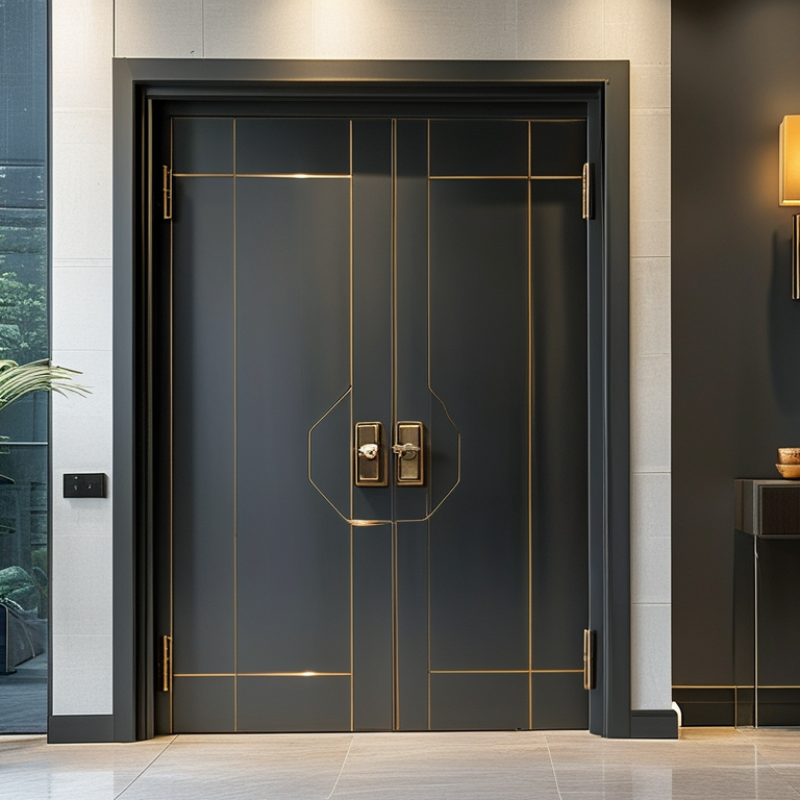
Wrought iron entry door manufacturers are companies that design, fabricate, finish, and support metal entrance systems. Their work goes beyond shaping a decorative door leaf. They select metal sections, weld frames, fit hinges, and prepare surfaces for years of outdoor exposure. In China’s manufacturing market, capable suppliers may combine traditional forging with CNC cutting and controlled coating lines. The term “wrought iron” also needs care. Many modern doors use mild steel or galvanized steel rather than historic wrought iron.
A responsible manufacturer turns an opening measurement into a workable entrance assembly. This includes the door leaf, frame, threshold, locks, glazing, weather seals, and installation tolerances. Experienced teams review swing direction, wall conditions, drainage, and local performance requirements before production. They should provide material details, coating specifications, shop drawings, inspection records, and maintenance guidance. Small details matter. A poorly aligned hinge can cause rubbing, while an incomplete coating may allow hidden corrosion.
Manufacturers also connect design intent with daily use. They can adjust grille spacing, handle height, glass selection, and opening weight for safer operation. Site experience helps them identify problems that a showroom sample may hide, such as uneven floors or wind pressure. Still, no supplier is perfect. Hand-finished surfaces can vary, and stated lead times may change when drawings are revised. Buyers should question unclear claims and compare approved samples with final production controls. That habit is less glamorous, but it makes the manufacturer’s role more trustworthy.
A credible ranking should begin with manufacturing experience, not attractive product photos. Strong manufacturers show consistent welding, accurate frame dimensions, and clean finishing on every sample. Inspect the joints closely. Uneven seams may signal rushed production. Materials also matter, including steel thickness, corrosion resistance, hinge strength, and powder-coating performance. Factory audits, production records, and third-party inspection reports provide stronger evidence than sales claims. No ranking is perfect. A low price can look impressive until repair costs appear later.
Customization is another important measure. Leading manufacturers should handle unusual openings, glass layouts, colors, security hardware, and installation requirements without losing structural quality. Their engineers should explain load limits and recommend practical designs. Export experience also deserves careful attention. Clear drawings, protective packaging, accurate documentation, and dependable delivery reduce avoidable problems. Certifications can support credibility, but buyers should verify their scope and validity. A certificate alone proves little.
Tips: Request a full-size corner sample, not only a digital image. Check coating thickness, weld smoothness, hinge movement, and packaging strength. Ask how rejected products are recorded and corrected. Communication speed matters, but honest answers matter more. Sometimes, the best supplier admits a design limitation early. That small imperfection may reveal better reliability than a flawless sales presentation.
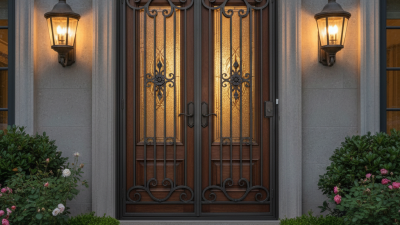
China’s top 10 wrought iron entry door manufacturers represent different strengths rather than identical production models. One focuses on hand-forged scrollwork and visible hammer marks. Another specializes in thermal-break steel frames for colder regions. A third produces oversized doors for villas, with reinforced hinges and concealed locking channels. Several combine forged iron with tempered glass, while others prefer solid panels for privacy and security.
Their workshops typically include cutting, bending, welding, grinding, coating, and final assembly areas. Experienced buyers should inspect weld consistency, corner alignment, drainage details, and coating thickness.
Good manufacturers provide section drawings, material specifications, finish samples, and installation guidance. Some also offer digital renderings before production. Useful, but drawings cannot replace a physical sample. That limitation matters.
The remaining profiles highlight export experience, custom sizing, corrosion-resistant primers, and controlled packaging. A reliable factory records steel grades, hardware batches, and inspection results before dispatch. It should also explain maintenance needs clearly, especially for coastal projects. Not every impressive showroom reflects stable production. Some smaller workshops deliver excellent handwork but lack consistent documentation. Larger facilities may offer better testing, yet their designs can feel less personal. Comparing these ten manufacturers requires practical evidence, factory communication, and careful review of completed doors. Performance depends on both craftsmanship and installation quality.
China’s leading wrought iron entry door manufacturers combine traditional metalwork with controlled factory production. Their doors often use forged steel or wrought iron, with galvanized layers and powder-coated finishes for better moisture resistance. Material thickness matters. A heavier frame can improve stability, but excessive weight may strain hinges and masonry.
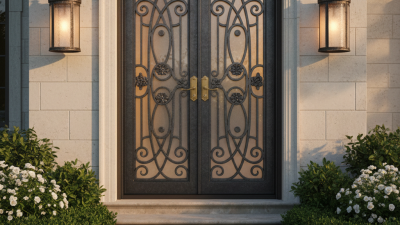
Design choices range from narrow scrollwork to geometric panels and glass-centered entrances. Clear, laminated, or textured glass changes both security and daylight. Buyers should request full-size drawings, surface samples, and hardware specifications before approval. Small details matter, such as weld smoothing, drainage holes, hinge alignment, and accurate frame dimensions. One attractive sample does not prove consistent production quality.
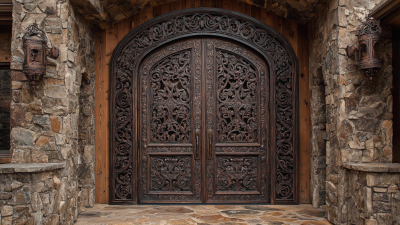
Customization may include arched tops, double-door layouts, leaf patterns, colors, glass types, and thermal insulation. Experienced factories usually provide CAD drawings, sample confirmation, welding procedures, coating records, and pre-shipment inspections. Production capacity should be judged by equipment and process control, not factory size alone. Laser cutting can improve repeatability, while hand finishing preserves individual character. Both are useful.
There is no perfect door.
Some suppliers may promise unusual finishes or rapid delivery without explaining limitations. That deserves careful questioning. Complex ornament can increase cleaning difficulty and lead time. Coastal projects also need stronger corrosion protection than inland homes. Confirm packaging, installation tolerances, replacement parts, and warranty terms in writing. A reliable manufacturer discusses weaknesses before receiving the order, although even careful planning cannot remove every fitting problem on site.
Selecting a wrought iron door manufacturer in China requires more than attractive catalog images. In field inspections, I check the factory before discussing decoration. The World Steel Association reported about 1.89 billion tonnes of crude steel production worldwide in 2023, with China supplying over half. This scale supports strong sourcing, but it does not guarantee careful door fabrication.
Ask for the steel grade, tube thickness, welding method, and surface-treatment sequence. A reliable manufacturer should provide mill certificates, coating records, and dimensional drawings. Inspect a sample corner closely. Welds should look continuous, not heavily ground or porous. For outdoor doors, request galvanizing or a documented anti-corrosion system before powder coating. The finish should survive humidity, salt exposure, and repeated handling. Ask for independent coating tests, such as adhesion, impact, and salt-spray results. Reports from ASTM-based laboratories can make comparisons more objective.
Check production capacity through evidence, not promises. Request recent export records using UN Comtrade classification HS 730830, while remembering that customs data may include several door types. ISO 9001 certification can indicate controlled procedures, but it cannot replace a factory audit. Confirm hinge alignment, lock preparation, glass specifications, packaging strength, and replacement-part support. I once trusted a perfect showroom sample too quickly; the production batch showed uneven gaps. That mistake still matters. Require a pre-shipment inspection, clear tolerances, and photographs of concealed steel sections before payment. Be specific. Fancy language is not quality.