10 Best Elegant Entry Doors for Modern Homes
(866) 440-8136 Open 9am - 6:30pm EST on Mon - Fri or 10am - 4pm EST on Sat Showroom Locations

We ship across the U.S. and Canada. Visit our showrooms in Atlanta, Tampa and Naples and Nashville!

10 Best Elegant Entry Doors for Modern Homes

A modern home's entrance sets expectations before guests cross the threshold. The right door can frame architecture, soften hard lines, and improve daily comfort. This guide explores 10 elegant entry doors chosen for proportion, material quality, security, and practical maintenance. Each style offers a distinct welcome, from warm oak with vertical grain to slim steel with concealed hardware. Glass panels can pull daylight into a dim hallway. They can also reduce privacy when their placement is careless. Good design requires that trade-off to remain visible.

Our recommendations draw on architectural practice, manufacturer specifications, and real-world installation concerns. We consider weather exposure, thermal performance, hinge strength, threshold design, and installer skill. A beautiful slab may fail when its frame is poorly sealed. Likewise, a dramatic pivot door may demand more clearance than a compact foyer allows. Measurements matter. So does the surrounding street. Compare tested materials, warranties, and certified hardware before choosing. These details support a dependable decision, rather than a purchase based on photographs alone. Still, “best” remains personal. A family with muddy shoes may value resilience over a flawless finish. Someone in a shaded apartment may prefer translucent glass and a lighter surface. We may overlook a promising option because homes rarely share the same needs. Use this list as informed inspiration, then review local conditions with a qualified door professional. The goal is simple: elegant entry doors that look refined, work reliably, and feel right whenever the door opens.
10 Best Elegant Entry Doors for Modern Homes

What Defines an Elegant Entry Door for a Modern Home

An elegant entry door for a modern home balances restraint, proportion, and useful performance. It should look deliberate, not decorated. In residential projects, I often begin by studying the façade’s width, window lines, and roof shape. A tall door can emphasize vertical architecture, while a wide door creates a calmer, more generous entrance. Neither choice works everywhere.

Material gives the door its strongest visual character. Natural wood adds warmth through visible grain, while powder-coated metal or fiberglass offers a cleaner, more consistent surface. The finish should handle sunlight, rain, and frequent contact without becoming difficult to maintain. Small details matter. A slim lever, concealed hinges, and clear glass can make the entrance feel refined. Frosted or textured glazing also brings daylight without sacrificing privacy.

Elegance must include security and comfort. A well-fitted frame, reinforced locking points, and accurate installation reduce drafts and movement. Weather seals should close evenly around the opening. I once favored an oversized pivot door for its dramatic appearance, but it felt heavy and awkward in daily use. That mistake changed my approach. Beauty is not enough when children, guests, or older residents use the entrance. The best modern door opens smoothly, supports safe access, and remains visually calm after years of weather and handling.

Key Materials and Finishes for Contemporary Entry Doors

A modern entry door should look refined, but its materials must handle daily weather and use. Solid hardwood offers natural grain, warmth, and a welcoming feel. It needs regular sealing, especially in wet or sunny climates. Fiberglass can imitate timber with less maintenance. Its surface resists dents better than many painted wood doors. Steel provides strong security and slim profiles, although exposed edges may need protection from moisture.

Aluminum suits contemporary homes with large glass panels and clean lines. A durable powder-coated finish helps resist fading, peeling, and light corrosion. Choose a low-sheen finish for a quieter appearance. Matte black looks architectural, while bronze, charcoal, and soft white create different levels of contrast. Textured finishes can disguise fingerprints and small marks. Glossy surfaces are attractive, but they reveal dust quickly.

Glass should be selected carefully. Frosted or reeded glass brings daylight without giving a clear view inside. Double glazing can improve comfort near the entrance. During a site check, examine the threshold, weather seals, hinges, and drainage details. These small parts often decide whether an elegant door performs well. A common design mistake is choosing a finish only from a showroom sample. Outdoor light changes its color. Test a larger sample beside the façade, then inspect it in morning and evening light. Perfect matching is not always necessary. A little contrast can make the entrance feel more intentional.

Ten Elegant Entry Door Styles for Modern Homes

Ten Elegant Entry Door Styles for Modern Homes

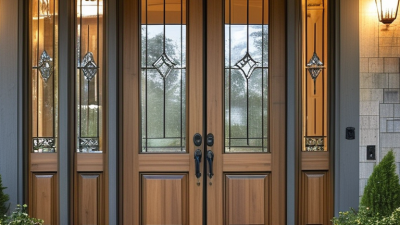
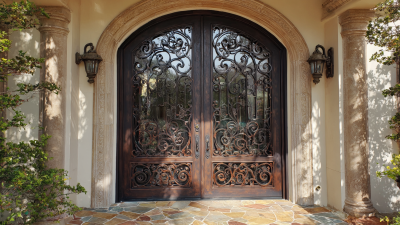
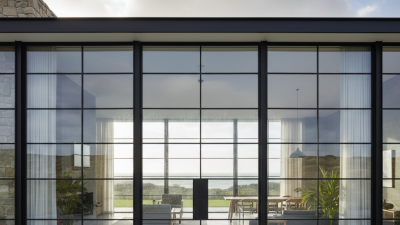
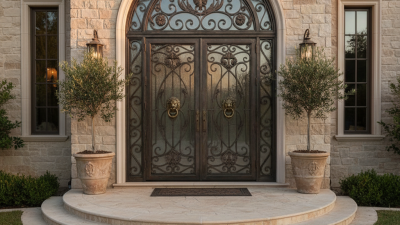
Modern entry doors can look refined without feeling fragile. The best choice balances proportion, security, weather resistance, and daily comfort. A flush slab door creates a quiet, architectural surface. A pivot door adds drama to a wide facade. Single-panel glass introduces daylight, while frosted glass protects privacy. A narrow-sidelite door brightens a dark hallway. Double doors suit generous entrances, but they need careful alignment. Arched doors soften strict modern lines. A warm wood door adds texture and human character. Steel provides crisp strength. Fiberglass offers a practical alternative with less seasonal movement.

Material performance matters more than appearance alone. Check the door’s U-factor, weatherstripping, threshold, and hardware quality. Energy guidance from the U.S. Department of Energy emphasizes these details for reducing unwanted air leakage. In residential design reviews, I often see beautiful doors installed with weak seals. That mistake ruins comfort. A sleek handle cannot fix it.

The 2024 Cost vs. Value Report by Zonda estimated 188.1% cost recouped for a steel entry-door replacement. This figure is a national average, not a promise. Local labor, climate, and installation quality change the result. The National Association of Realtors has also reported strong cost recovery for entry-door upgrades. Still, resale value should not control every decision. A dark pivot door may impress guests, yet it can feel heavy in a narrow porch. Test the swing, sightline, and morning glare before choosing. The most elegant style is often the one that works quietly every day.

10 Best Elegant Entry Doors for Modern Homes

This chart compares common nominal entry-door widths used in modern residential design. Single doors are typically specified at 30, 32, or 36 inches, while pivot and double-door configurations commonly require wider openings. Actual dimensions vary by project, framing, local code, and manufacturer.

How to Choose the Right Entry Door for Your Home

How to Choose the Right Entry Door for Your Home

An elegant entry door should fit your home’s architecture, climate, and daily routine. Start with accurate measurements, including the frame, threshold, and swing clearance. A beautiful door is still a poor choice if it scrapes the floor or blocks a hallway. Steel offers strong security and usually costs less than solid wood. Fiberglass can imitate wood grain while resisting moisture, dents, and seasonal movement. Solid wood feels warm and authentic, but it needs regular sealing, especially in wet or sunny locations.

Energy performance also deserves attention. The U.S. Department of Energy recommends well-installed doors with effective weatherstripping to reduce unwanted air leakage. Look for clear information about U-factor, visible transmittance, and air leakage when glazing is included. Better insulation helps maintain a steady indoor temperature near the foyer. That matters on cold mornings.

The 2024 Cost vs. Value Report found that a steel entry door replacement recovered about 188% of its cost nationally. That figure is useful, but it should not control every decision. Local labor, door size, and installation quality can change the result. Check the threshold for water management, examine hinge strength, and test the lock with the door fully aligned. Small details matter. I once underestimated afternoon sun; a dark finish became uncomfortably hot. A lighter color or shaded porch might have been wiser. Perfect choices are rare. Reliable installation is not optional.

Essential Features for Security, Energy Efficiency, and Durability

10 Best Elegant Entry Doors for Modern Homes

The best modern entry doors balance clean design with dependable protection. In practice, a solid core resists forced impact better than a hollow construction. A reinforced frame matters just as much. Look for a high-quality deadbolt, a multi-point locking system, and hinges secured with long screws. Laminated or tempered glass can bring daylight without creating an obvious weak spot. Check the glass location carefully.

Energy efficiency depends on the complete door assembly, not the slab alone. A tight weather seal should compress evenly around all four edges. The threshold must block drafts while allowing smooth daily entry. Insulated cores, thermal breaks, and low-conductivity frames help reduce heat transfer. Ask for tested U-factor and air-leakage results, rather than trusting attractive marketing language. Small gaps become noticeable on windy evenings.

Durability also requires realistic maintenance. Steel can resist impact, but scratches may invite corrosion if left untreated. Wood offers warmth and depth, yet it needs periodic sealing in wet climates. Fiberglass usually handles moisture well, though poor installation can still cause swelling around the frame. I have found that a beautiful door often fails because the surrounding wall was measured poorly. That detail is easy to overlook. Inspect seals each season, tighten loose hardware, and keep drainage paths clear. An elegant finish should survive fingerprints, rain, and years of ordinary use.

10 Best Elegant Entry Doors for Modern Homes - Essential Features for Security, Energy Efficiency, and Durability

No. Elegant Door Style Recommended Material Key Security Features Typical U-Factor
(Btu/h·ft²·°F)
Typical R-Value
(Approx.)
Durability Advantages Maintenance Best Modern-House Application
1 Minimalist Flush Fiberglass Door Insulated fiberglass composite Multi-point lock option, reinforced strike area, wide-angle peephole 0.15–0.30 R-5 to R-7 Resists rust, dents, moisture, and ultraviolet-related fading better than many wood doors Low Clean-lined façades with neutral or monochromatic finishes
2 Contemporary Wood Slab Door Engineered or solid hardwood with protective finish Deadbolt with reinforced jamb, security hinges, laminated viewing panel if glazed 0.20–0.50 R-2 to R-5 Engineered construction can reduce seasonal movement; solid wood requires moisture protection Moderate Warm modern homes that use natural textures and wood accents
3 Matte Steel Pivot-Style Door Insulated galvanized steel Heavy-duty deadbolt, reinforced frame, anti-lift hinges, optional multi-point lock 0.10–0.25 R-5 to R-9 Strong resistance to warping and forced impact; exposed scratches should be repaired promptly Low Large entry openings and bold geometric architecture
4 Slim-Frame Door with Frosted Glass Insulated steel or fiberglass frame with double-pane glass Laminated or tempered glass, reinforced lock block, multi-point locking option 0.25–0.40 R-2.5 to R-4 Glass provides daylight while frosted surfaces improve privacy; insulated frames reduce condensation risk Low Urban homes seeking natural light without a fully transparent entrance
5 Natural Oak Entry Door Engineered oak veneer over a stabilized core Long screws into structural framing, reinforced edge, high-security deadbolt 0.25–0.45 R-3 to R-5 Stable engineered core helps limit swelling and shrinking compared with some solid slabs Moderate Scandinavian, Japandi, and other natural minimalist exteriors
6 Black-and-Glass Modern Door Thermally improved steel or aluminum frame with insulated glass Laminated glass, concealed hinges, reinforced frame, secure deadbolt 0.30–0.50 R-2 to R-3.5 Powder-coated metal resists peeling and corrosion when properly maintained Low Industrial-modern façades and homes with dark window frames
7 Textured Fiberglass Door with Side Lite Insulated fiberglass slab with double-pane side lite Tempered or laminated side-lite glass, reinforced jamb, multi-point lock option 0.20–0.35 R-4 to R-7 Moisture-resistant surface and integrated weather seals support long-term performance Low Narrow entry halls that benefit from extra daylight and visual width
8 Double Entry Door with Vertical Pulls Insulated fiberglass, steel, or engineered wood pair Flush bolts on inactive leaf, keyed deadbolt, reinforced center meeting stile 0.25–0.45 R-3 to R-6 Wide opening improves access; careful alignment and weatherstripping are essential Moderate Large foyers, formal entrances, and wide contemporary elevations
9 Energy-Efficient Door with Narrow Vision Panel Insulated fiberglass or steel with low-emissivity double-pane glass Laminated glass option, reinforced lock area, adjustable security strike plate 0.15–0.30 R-5 to R-8 Low-emissivity glazing limits heat transfer while a small glass area preserves insulation Low Energy-conscious homes in regions with hot summers or cold winters
10 Covered Recessed-Panel Door Composite or engineered wood with weather-resistant coating Three-inch-deep deadbolt, reinforced jamb, adjustable hinges, full perimeter seal 0.20–0.40 R-4 to R-7 Panel detailing adds visual depth while composite construction reduces moisture-related movement Low to Moderate Covered porches and transitional modern homes needing understated detail

Note: U-factor and R-value ranges are typical estimates for insulated door assemblies. Actual performance depends on the slab, frame, glazing, weatherstripping, threshold, installation quality, and local climate.