How to Choose the Best Double Front Door?
(866) 440-8136 Open 9am - 6:30pm EST on Mon - Fri or 10am - 4pm EST on Sat Showroom Locations

We ship across the U.S. and Canada. Visit our showrooms in Atlanta, Tampa and Naples and Nashville!

How to Choose the Best Double Front Door?

Choosing a double door front door is about more than creating a grand entrance. The right pair should suit your home’s architecture, fit the opening, and work smoothly every day. Picture carrying groceries through the entry or opening both doors for a large piece of furniture. Small practical details matter.

Start with accurate measurements, including the frame, threshold, and available clearance. Door materials affect appearance, insulation, upkeep, and durability. Wood offers natural character but may need periodic refinishing. Fiberglass can imitate wood with less routine maintenance, while steel often provides a sturdy, practical option. Product quality varies, so compare construction details rather than relying on material names alone.

Check the swing direction, hardware, weatherstripping, and locking system before choosing a style. Glass panels can bring daylight into a dim foyer, but consider privacy and the door’s glazing specifications. Ask a qualified installer to assess the opening, especially if the existing frame is uneven or shows signs of moisture. Measurements on paper do not always reveal what the wall is doing. That part can be frustrating. A beautiful design may still require a compromise between light, privacy, budget, and maintenance. This guide explains how to weigh those factors, compare common options, and choose a double entrance that feels dependable—not just impressive on delivery day.
How to Choose the Best Double Front Door?

Identify Your Entryway Needs and Design Preferences

A double front door should solve a real entryway problem, not just make the facade look grand. Measure the opening, including its height and width, before comparing designs. Check how much room each leaf needs to swing. A door that hits a console table or blocks a narrow hall will become irritating quickly. Consider daily traffic, too: families carrying bags, guests arriving together, or bulky deliveries may benefit from a wider opening. Measure twice.

Think about light, privacy, and the view from inside. Glass panels can brighten a dim foyer, while textured or divided glass can soften direct views from the street. Solid panels offer more visual privacy, but may make a small entry feel darker. Your home’s style matters, yet so does maintenance: exposed doors face rain, sun, and temperature changes. Ask a qualified installer about suitable materials and weather sealing for your conditions. A dramatic design can still feel wrong in practice. Bring home finish samples and view them beside your trim in daylight; colors often look different indoors. Decide which door will be used most often, and make sure its handle and threshold feel comfortable for everyone in the household.

Measure the Opening and Check Structural Requirements

A double front door needs more than a wide opening. Measure the rough opening at the top, middle, and bottom, since older walls may bow or taper. Record the smallest width. Check the height on both sides and in the center, from the finished floor to the underside of the header. Include flooring and threshold plans; a new floor can reduce clearance. Keep each measurement written down. Easy to mix them up.

Also check whether the opening is square and plumb. A level and tape measure can reveal a leaning jamb or uneven sill, but they cannot confirm that the structure can support a wider door. The header above the opening may need review, especially if the wall carries weight. Ask a qualified contractor to assess the framing before ordering. Door dimensions vary, and the rough opening must match the chosen unit’s installation requirements. Measurements can look reassuring on paper. The wall may still tell a different story.

Tips: Measure twice, using the same reference points. Photograph the opening, note any cracks or sagging, and confirm header requirements before purchase. When unsure, pause and get an on-site assessment.

How to Choose the Best Double Front Door: Measure the Opening and Check Structural Requirements

Example field measurements—not a universal door-size specification: The narrowest measured width is 71.5 inches. Measure the opening at the top, middle, and bottom, and check height at both sides and the center. Confirm the required rough opening, framing, and header capacity with a qualified installer before selecting a double door.

Compare Door Materials, Styles, and Glass Options

A double front door changes the entrance’s feel, but the material affects maintenance and comfort. Fiberglass resists moisture and needs little upkeep. Wood offers warmth and can be refinished, though its finish may need attention in harsh weather. Steel feels sturdy, but scratches should be repaired before rust develops. Check the frame, weatherstripping, and threshold too; a good door can still leak drafts if installation is poor.

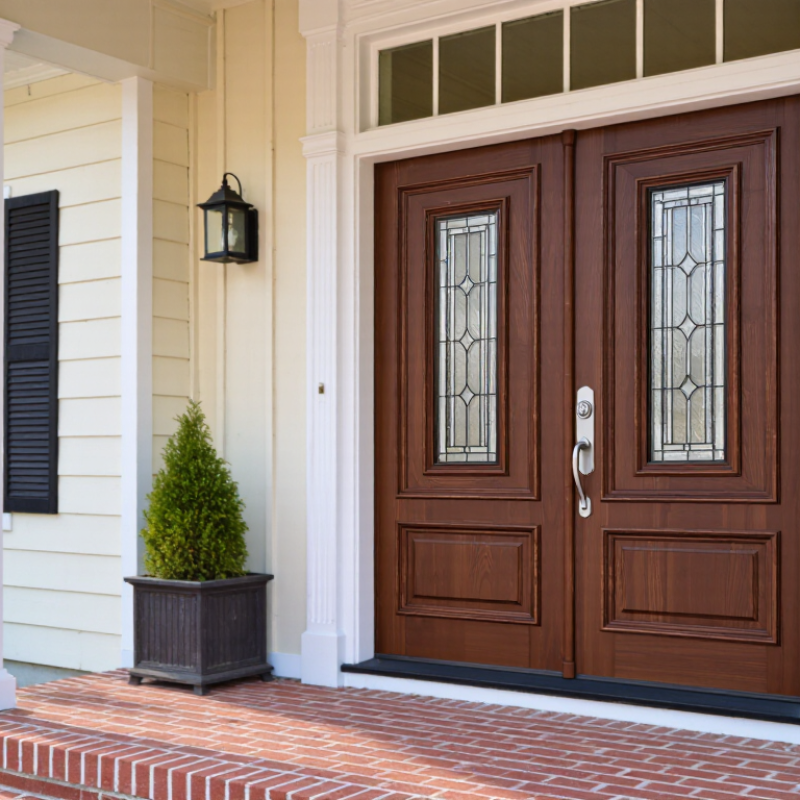
Style should suit both the house and the available space. Full-glass panels bring daylight into a dark foyer, while raised panels create a more traditional look. Narrow sidelights can brighten the entry without making the doors themselves feel exposed. Measure the opening and swing clearance carefully. Measure twice. Handles and hinges also need to feel balanced across both leaves, not merely look attractive in a catalog.

Glass choices involve privacy, light, and energy use. Clear glass offers an open view, while frosted or textured glass softens it. Low-emissivity glazing can help limit heat transfer; insulated glass units may improve comfort in climates with temperature swings. For added resistance to breakage, ask a qualified installer about tempered or laminated options and applicable local requirements. More glass is not always better. I might choose modest glazing for a street-facing entry, even if a brighter foyer seems appealing; privacy can matter more after the first sunny afternoon.

How to Choose the Best Double Front Door? Compare Door Materials, Styles, and Glass Options

Category Option Advantages Things to Consider May Suit
Material Fiberglass Resists rot and corrosion; requires relatively little upkeep; many models can be made with wood-grain textures. Quality and insulation vary by construction. Deep dents or damage may be difficult to repair invisibly. Homeowners seeking a low-maintenance door with a choice of finishes.
Material Steel Strong, generally stable, and often available with an insulated core. The surface can dent, and damaged finishes may need prompt repair to help prevent rust. Thermal performance depends on the door’s construction and frame. Entrances where durability and a painted finish are priorities.
Material Wood Offers a natural appearance and can be customized with different stains, profiles, and panel designs. Needs periodic finish maintenance, and exposure to moisture or strong sun can contribute to movement or finish wear. Traditional designs or projects where natural wood is an important part of the look.
Material Wood with exterior cladding Combines a wood interior surface with an exterior cladding intended to reduce routine exposure of the wood to the weather. Construction, available finishes, and maintenance needs differ by product; inspect the cladding, joints, and warranties. Those who want a wood interior appearance and a more weather-resistant exterior surface.
Style Raised-panel traditional Panel detailing can complement classic, colonial, or formal exteriors. Choose panel proportions and hardware that suit the scale of the entry and the rest of the façade. Homes with traditional trim, symmetrical elevations, or established architectural details.
Style Craftsman or mission Often uses simple lines, defined panels, and optional divided-light glazing. Decorative grille patterns and panel layouts should be coordinated with nearby windows and trim. Craftsman, bungalow, or other homes with straightforward, substantial detailing.
Style Contemporary flush or minimal-panel Creates a clean, uncluttered appearance and pairs well with simple hardware. Large, plain surfaces can make dents, scratches, or finish inconsistencies more noticeable. Modern exteriors with restrained trim and geometric forms.
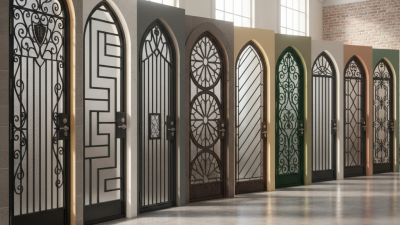
Style Arched or shaped-top Can make a double-door entry a prominent architectural feature. May require a specially sized frame, coordinated head detail, and a larger project budget than a standard rectangular unit. Entrances designed around an arched opening or a distinctive focal point.
Glass Clear glass Allows the most visible light and an open view through the entrance. Provides less visual privacy; consider the entry’s exposure and whether window coverings are needed. Well-screened entrances where daylight and visibility are priorities.
Glass Frosted or obscure glass Transmits daylight while making shapes and details less visible through the glass. Privacy depends on the glass pattern, lighting, and viewing angle; it is not necessarily fully opaque. Entries close to sidewalks or neighboring homes where added privacy is desired.
Glass Decorative or textured glass Adds pattern and visual character; some designs can soften views while admitting daylight. Privacy and light transmission vary with the specific pattern. Match the design to the home’s architecture. Entrances where decorative detail is desired without using plain clear glazing.
Glass Insulated glass unit Uses two or more panes separated by a sealed space, which can improve thermal performance compared with a single pane. Performance depends on the complete glazing specification, including spacers, coatings, and installation. Seals can eventually fail. Homes where glazed door areas need better insulation than single-pane glass can provide.
Glass Low-emissivity (Low-E) glass A transparent coating can help reduce heat transfer; the appropriate specification can also help manage solar heat gain. Coating options differ, so select one suited to the local climate, orientation, and desired daylight. Glazed doors where improved energy performance is a priority.

Evaluate Energy Efficiency, Security, and Maintenance

A double front door makes a generous entrance, but two moving panels create more potential air-leakage points. Check the meeting stile, threshold, and weatherstripping; a thin strip of daylight at the center can signal a poor seal. The U.S. Department of Energy estimates that windows account for 25–30% of household heating and cooling energy use. That figure is not a door-specific estimate, but it shows why performance at glazed openings deserves attention. ENERGY STAR’s 2023 criteria set maximum U-factors for qualifying exterior doors from 0.17 to 0.25, depending on climate zone. Compare the NFRC label, and choose a rating suited to your location.

Security depends on the whole assembly, not just the lock. Look for a reinforced frame, a strong center astragal, and a deadbolt with a secure strike plate. If the doors include glass, consider laminated glazing near the lock area. Test both leaves in person: they should close firmly without needing a shoulder shove. A showroom fit may differ from an installed fit.

Tips: Ask the installer how the sill will be flashed and sealed against rain. Clean tracks and inspect seals each season; replace cracked weatherstripping before drafts become obvious. Keep the finish in mind, too. Dark paint can need more frequent attention in strong sun. A detail people overlook.

Review Installation Costs, Warranties, and Professional Support

A double front door can cost more to install than a single door because it has two panels, a wider frame, and more hardware. Ask for an itemized estimate. It should separate the door, labor, removal, disposal, and any changes to the opening. A crew may find an uneven threshold or hidden water damage after removing the old frame. That adds up. Ask whether those repairs are included or priced separately, and get the answer in writing. A low quote is not always a better deal if it leaves key work unclear.

Read the warranty before choosing an installer. Check what it covers, how long coverage lasts, and whether labor is included alongside materials. Confirm whether finish, glass, hinges, and weather seals have different terms. Ask who handles a claim and what records you must keep. Ask for clarity. Professional support matters after installation, too: request care instructions and a contact for adjustments if the doors rub or fail to latch. I may be overcautious, but a written service process is more useful than a friendly promise. Compare support details with the total cost, not just the initial quote.