
We ship across the U.S. and Canada. Visit our showrooms in Atlanta, Tampa and Naples and Nashville!
Top 10 Types of Double Door Front Door Designs?
A double door front door can transform an entryway from ordinary to memorable. It creates a wider opening, stronger symmetry, and a welcoming sense of arrival. Yet appearance is only one part of a successful design. Proportion, material quality, weather resistance, hardware, and installation standards also deserve careful attention. This guide examines ten popular double-door styles, including traditional wood panels, modern glass designs, steel frames, arched entrances, and craftsman-inspired options. Each type offers a different balance of privacy, daylight, durability, and maintenance.
Details matter.
A pair of solid oak doors may bring warmth to a stone façade, while frosted glass can brighten a darker hallway without sacrificing privacy. In coastal or rainy regions, however, moisture-resistant finishes and properly sealed joints become essential. Experienced installers also check the threshold, hinges, door swing, and surrounding structure before recommending a design. Reliable manufacturers should provide clear specifications, warranty information, and tested hardware rather than relying on attractive photographs alone. No ranking can suit every home, because climate, architecture, budget, and personal habits vary. A grand entrance might look impressive but feel inconvenient if the doors are heavy or difficult to operate. That is worth considering. The following overview offers practical comparisons to help homeowners make a confident, informed choice, while acknowledging that even the most attractive design may require compromises.
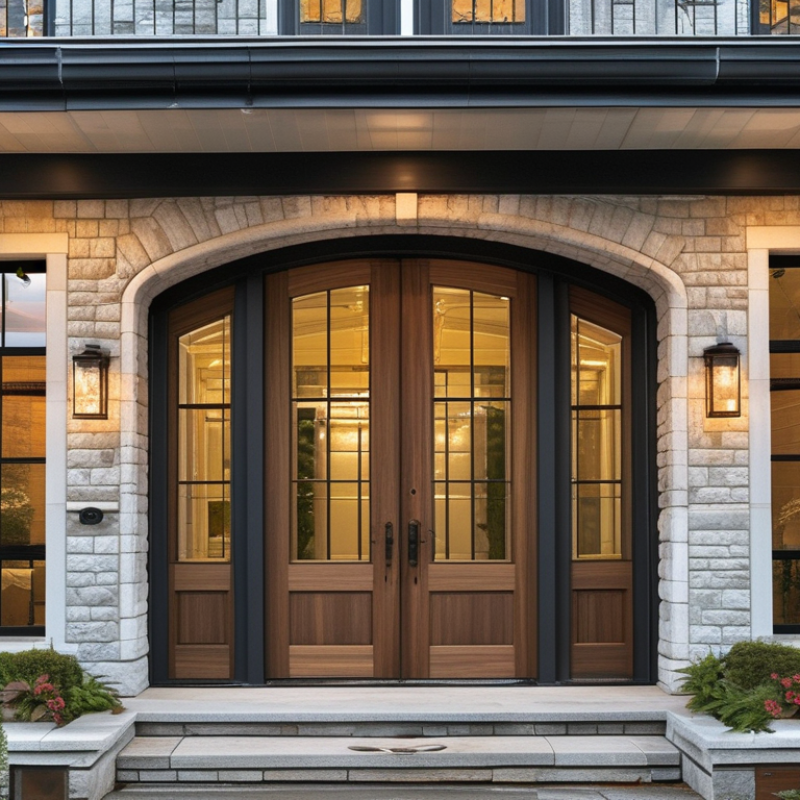
What Defines a Double Door Front Door Design?
A double door front door design is defined by two coordinated door leaves sharing one entrance opening. Its identity comes from proportion, alignment, material, and daily function. Equal panels create a formal appearance, while one active leaf and one fixed leaf improve practicality. The meeting point should close neatly, without an obvious gap or uneven sightline. Frame depth also matters, especially when the wall is thick or the entry has stone trim. Glass panels can bring daylight into a dark foyer, but privacy and heat control need careful consideration. Small details matter.
In real projects, I assess the opening width, swing direction, threshold height, and surrounding walkway before choosing a style. A 60- to 72-inch opening often supports balanced double leaves, though existing construction may require adjustment. Solid timber feels substantial, while engineered materials can offer steadier performance in changing weather. The hinges, locks, seals, and astragal should work as one system, not as decorative afterthoughts. Poor alignment becomes obvious every morning. It is easy to prioritize appearance and underestimate maintenance. That is where many attractive designs disappoint. A reliable design also respects ventilation, accessibility, security, and local construction requirements. Proportions can be elegant, yet a heavy door may still be uncomfortable for children or older residents.
Top 10 Types of Double Door Front Door Designs? - What Defines a Double Door Front Door Design?
| No. | Double Door Design Type | Key Defining Features | Common Materials | Glazing and Privacy | Typical Architectural Fit | Maintenance Profile |
|---|---|---|---|---|---|---|
| 1 | Classic Raised-Panel Pair | Two matching door leaves with recessed or raised panels, balanced proportions, and a traditional central meeting line. | Painted wood, fiberglass, or engineered wood. | Usually solid for privacy; small decorative glass panels may be added. | Colonial, transitional, cottage, and traditional homes. | Low to moderate; wood requires periodic repainting or refinishing. |
| 2 | Modern Flush Double Door | Flat, uninterrupted surfaces, concealed visual detailing, and simple horizontal or vertical hardware. | Steel, aluminum, fiberglass, or smooth-finish wood. | Often solid or paired with narrow frosted glass strips. | Contemporary, minimalist, and urban architecture. | Low; smooth surfaces are generally easy to clean. |
| 3 | Full-Glass Double Entry Door | Large glazed areas maximize daylight and create a visually open entrance. | Aluminum, steel, fiberglass, or timber frames with insulated glass. | Clear, tinted, laminated, or low-emissivity insulated glass; curtains or blinds may improve privacy. | Modern homes, coastal properties, and light-focused entryways. | Moderate; glass needs regular cleaning and seals should be inspected. |
| 4 | Craftsman Double Door | Strong horizontal lines, square or rectangular glazing, and visible construction-inspired detailing. | Wood, fiberglass, or composite materials. | Decorative divided-light or textured glass, commonly placed in the upper section. | Arts-and-Crafts, bungalow, rustic, and transitional homes. | Moderate; exterior wood finishes need ongoing protection from moisture. |
| 5 | Arched Double Front Door | A curved head or arched frame creates a formal focal point and may require a custom opening. | Wood, fiberglass, steel, or composite construction. | Arched clear, decorative, or privacy glazing can be incorporated. | Mediterranean, Spanish, European-inspired, and formal residences. | Moderate to high; custom frames and specialty glass may need careful servicing. |
| 6 | French-Style Double Door | Two hinged leaves with multiple glass panes, narrow stiles, and a symmetrical appearance. | Wood, fiberglass, steel, or aluminum. | Clear, seeded, frosted, or divided-light glazing; privacy depends on the glass selected. | Traditional, farmhouse, transitional, and garden-facing entrances. | Moderate; muntins and glass panes require more cleaning than solid doors. |
| 7 | Pivot-Hinged Double Door | Large door leaves rotate on pivot hardware rather than relying solely on conventional side hinges. | Engineered timber, aluminum, steel, or reinforced composite materials. | Usually solid or partially glazed; oversized glass panels are also possible. | High-end contemporary and statement-entry designs. | Moderate to high; pivot alignment, seals, and floor clearances require attention. |
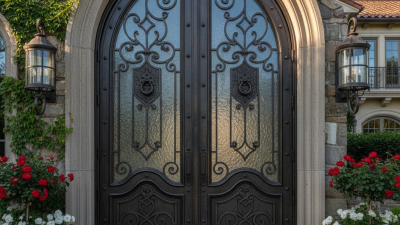
| 8 | Wrought-Iron and Glass Double Door | Decorative metal scrollwork or geometric patterns are combined with glass panels for a substantial appearance. | Wrought iron or steel frames with tempered, laminated, or insulated glass. | Tinted, textured, or privacy glass reduces visibility while preserving daylight. | Mediterranean, European, rustic, and grand exterior designs. | Moderate; painted or coated metal should be checked for chips and corrosion. |
| 9 | Rustic Wood Double Door | Natural grain, wide boards, visible knots, distressed finishes, or heavy strap-style hardware provide a handcrafted character. | Solid or engineered timber, sometimes combined with metal accents. | Typically solid or fitted with small recessed, textured, or decorative glass sections. | Farmhouse, lodge, mountain, ranch, and rustic homes. | High in exposed climates; wood must be sealed and checked for swelling or movement. |
| 10 | Asymmetrical Double Door | One primary operating leaf is wider than the secondary leaf, combining everyday convenience with a broad opening when both leaves are used. | Fiberglass, wood, steel, aluminum, or composite materials. | The larger leaf may be solid while the narrower leaf uses matching or contrasting glass. | Contemporary, transitional, eclectic, and space-conscious entrances. | Low to moderate; maintenance depends mainly on the selected material and glazing. |
Note: Performance varies with the door material, frame construction, weatherstripping, glazing specification, installation quality, and local climate.
Related Posts
-
Why Choosing a Double Door Front Door Can Elevate Your Home's Curb Appeal
-
How to Choose a Double Door Front Door for Your Home?
-
How to Choose the Best Double Entry Doors for Your Home?
-
The Ultimate Guide to Choosing the Best Double Door Front Door for Your Home
-
What to Consider When Choosing a Double Door Front Door?
-
Why Choose Iron Double Doors for Your Home Security Needs?