We ship across the U.S. and Canada. Visit our showrooms in Atlanta, Tampa and Naples and Nashville!
For global buyers, wine cellar doors are more than decorative entrances. They influence temperature stability, humidity control, security, and the visual character of a private collection. A heavy insulated door, fitted with reliable seals, can help reduce unwanted air exchange. That matters when bottles rest in a quiet, dim room with steady conditions.
The International Organisation of Vine and Wine reported approximately 214 million hectolitres of global wine consumption in 2023. Its 2024 sector report also described a difficult market, shaped by inflation, changing habits, and reduced demand. In this environment, buyers may invest more carefully in products that protect existing assets. IWSR Drinks Market Analysis has similarly highlighted premiumization and the continuing importance of quality-led drinking occasions. A well-specified cellar door supports that expectation through durable materials, controlled access, and a refined entrance experience.
Details become practical quickly. A 60-minute fire-rated option may suit one project, while another needs moisture-resistant oak, laminated glass, or concealed hinges. Local climate is equally important. Coastal humidity, alpine cold, and dry indoor heating can affect timber movement and seal performance. These differences make a universal recommendation unrealistic. That caveat matters.
Global buyers should review tested performance, hardware quality, installation requirements, and after-sales support before choosing a supplier. Product claims should be verified through certifications and technical documents, not attractive photographs alone. The choice is not automatically right. Yet when design, engineering, and regional conditions are considered together, wine cellar doors can become a practical investment in preservation, access, and long-term value.
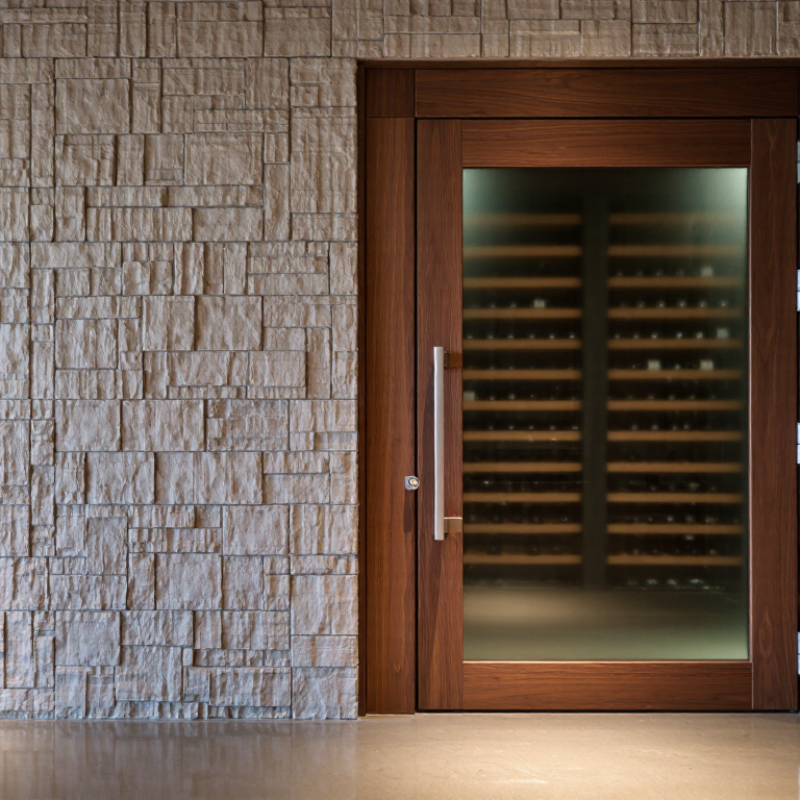
Wine cellar doors are purpose-built entrances for rooms that store wine. They separate the cellar from the living area while supporting stable temperature and humidity. Unlike ordinary interior doors, they often include insulated cores, tight seals, and durable frames. Their purpose is practical: reduce air exchange, limit light exposure, and help prevent unwanted odors. A well-fitted door also improves security and everyday access. Small details matter.
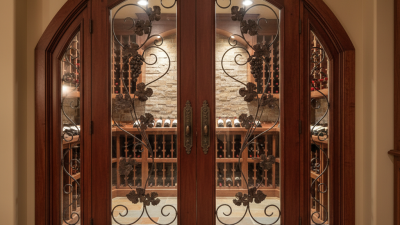
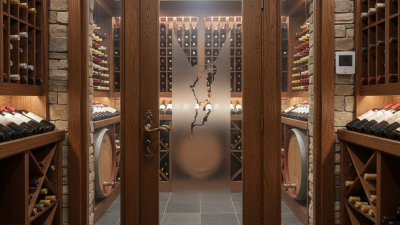
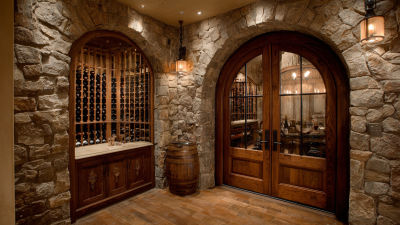
The main types are solid wood, glass, steel, and insulated composite doors. Solid wood offers warmth, strength, and a traditional appearance. Glass doors make bottles visible and can brighten a compact cellar. Steel provides a clean, modern surface and strong resistance to impact. Composite models can balance insulation, weight, and moisture resistance. Buyers should compare frame construction, hinge quality, gasket compression, and threshold design. Not every cellar needs the most expensive option. For humid coastal climates, moisture-resistant materials deserve close attention. For dry inland regions, sealing performance may matter more.
Global buyers should also check opening direction, wall thickness, delivery protection, and installation requirements. In practical cellar projects, uneven floors often create more trouble than the door itself. A beautiful door can still perform poorly if its frame is not square. That is an easy detail to underestimate. Performance should be tested after installation, not judged only from photographs. The honest question is simple: does the door match the cellar’s climate, structure, and daily use? Sometimes the simpler choice works better.
Why Choose Wine Cellar Doors for Global Buyers?
Key Features Global Buyers Should Evaluate
Global buyers should evaluate more than appearance when selecting wine cellar doors. Insulation is essential in rooms where temperature must remain stable. Look for solid construction, tight seals, and suitable glazing options. A well-fitted door can reduce air leakage and help protect wine from sudden climate changes. In humid regions, moisture-resistant finishes and corrosion-resistant hardware deserve close attention. Small details matter.
Door dimensions must match the opening precisely. Even a beautiful door may perform poorly after careless installation. Buyers should confirm wall thickness, swing direction, threshold height, and clearance before ordering. Local building requirements may also affect glass, fire performance, and ventilation. Professional measurements reduce expensive adjustments later. Shipping protection is another practical concern. Cracked glass or warped frames can turn a good purchase into a difficult repair.
Tips: Ask for technical drawings, material specifications, warranty terms, and installation guidance. Check whether replacement seals and hardware can be sourced internationally. Review climate suitability, not just product photographs. A common mistake is focusing on decorative finishes first. I understand why; appearance is immediate. Performance is harder to judge, yet it decides long-term value. Allowing for minor imperfections in wood grain can be wiser than demanding a flawless surface that hides natural movement.
Why Choose Wine Cellar Doors for Global Buyers?
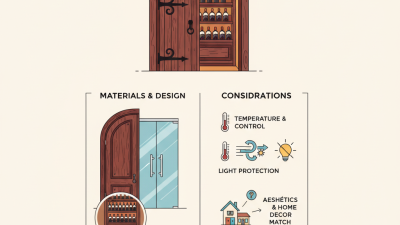
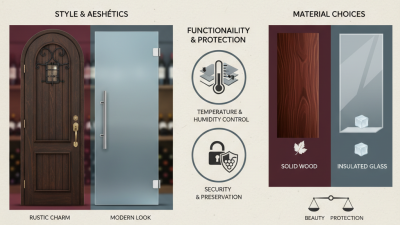
Materials strongly influence a wine cellar door’s durability, insulation, and appearance. Solid timber adds warmth, but it needs stable humidity and careful sealing. Aluminum resists moisture and offers slim, modern frames. Steel provides strength, though it may require protective coatings in coastal climates. Laminated safety glass improves visibility and reduces injury risks if broken. Details matter.
Design should match both the cellar and the building’s environment. Frameless glass creates a clear view of bottles and lighting. Wood-framed doors suit traditional interiors and can hide mechanical hardware. Insulated panels help control temperature transfer between rooms. A proper threshold, compression seal, and adjustable hinges also prevent unwanted air movement. Looks can mislead.
Tips: Ask for material samples before ordering. Check door swing, wall thickness, and frame measurements carefully. Confirm local requirements for safety glass, fire performance, accessibility, and energy efficiency. Request test data for U-value, air leakage, water resistance, and hardware cycles. These figures are more useful than attractive photographs. Do not guess. Global shipping can expose doors to vibration, moisture, and temperature changes, so reinforced packaging matters. In practice, even a well-designed door may need adjustment after installation. Wood can move slightly, and seals may settle. Allowing for maintenance makes the purchase more reliable.
Wine cellar doors must balance visual appeal, dimensional stability, insulation, humidity resistance, security, and compatibility with the surrounding wall system. The following comparison provides practical selection criteria for residential and commercial cellar projects.
| Material or Construction | Common Design Options | Moisture and Temperature Behavior | Insulation Considerations | Durability and Maintenance | Relevant Performance References | Recommended Application |
|---|---|---|---|---|---|---|
| Solid Hardwood Oak, walnut, mahogany, or other suitable hardwoods. |
Raised panels, slab doors, arched tops, decorative ironwork, stained or clear finishes. | Wood naturally expands and contracts as relative humidity changes. Proper seasoning, sealing, and installation clearances are important in humid cellar environments. | The door slab can provide useful thermal resistance, but the complete assembly also depends on thickness, perimeter seals, threshold, frame, and glazing. | Can offer long service life when all faces and edges are properly finished. Periodic inspection and refinishing may be required. | For complete external doorsets, applicable regional doorset standards may include EN 14351-1. Air and water testing should be performed on the finished assembly. | Traditional, luxury, and heritage-style cellars where natural grain and custom detailing are priorities. |
| Engineered Wood Multi-layer timber, laminated wood, or veneered composite core. |
Flush panels, modern veneers, painted finishes, concealed hinges, and custom hardware. | Usually offers better dimensional stability than a single-piece solid timber slab because cross-laminated or engineered layers help limit movement. | Insulation performance varies by core design. A solid insulated core and continuous weather seals can reduce air leakage around the opening. | Consistent construction can reduce warping risk. Edges, cut-outs, and hardware zones still require effective moisture protection. | Whole-door air leakage, water penetration, and structural performance can be evaluated using methods such as ASTM E283, ASTM E331, and ASTM E330 where applicable. | Global projects requiring a wood appearance with improved dimensional consistency and repeatable manufacturing. |
| Aluminum-Framed Glass Powder-coated or anodized aluminum with insulated glazing. |
Full-height glass, narrow sightlines, black or metallic finishes, pivot doors, and framed double-door systems. | Aluminum is resistant to rot and many forms of moisture damage, but unbroken metal conducts heat. Thermal breaks are valuable in temperature-controlled rooms. | Double insulating glass, low-emissivity coatings, warm-edge spacers, and thermally broken frames can improve thermal performance compared with single glass and non-thermal frames. | Generally low maintenance. Coating quality, drainage, hardware, and seal replacement are important for long-term performance. | NFRC 100 and NFRC 200 may be used for U-factor and solar heat gain ratings in applicable markets. ASTM E283, E331, and E330 are common assembly test methods. | Contemporary cellars, tasting rooms, hospitality venues, and projects that prioritize visibility and daylight. |
| Steel-Framed Glass Painted, galvanized, or corrosion-protected steel with safety glazing. |
Industrial grids, slim-profile frames, clear or tinted glass, fixed sidelights, and coordinated transoms. | Steel provides strength but requires suitable corrosion protection, especially in coastal, damp, or chemically aggressive environments. | Thermal performance depends on frame design and glazing. Thermally improved frames and insulated glass are preferable where the cellar temperature differs substantially from adjacent spaces. | High mechanical strength and a slim appearance. Finish condition, welds, drainage, and sealants should be inspected periodically. | Structural, air, and water testing should be specified for the complete doorset. Fire-rating claims require a separately tested and approved fire-door assembly. | Commercial tasting rooms, high-traffic areas, and architectural interiors requiring narrow sightlines and strong framing. |
| Insulated Opaque Door Wood, composite, or metal skin with a rigid insulated core. |
Minimalist slab, shaker panels, concealed frame, flush surface, or decorative exterior cladding. | Provides a controlled barrier between the cellar and adjacent conditioned or unconditioned spaces. Moisture resistance depends on the skins, edge treatment, and seals. | Often the most straightforward option for reducing heat transfer when designed with a continuous insulated core and compression gaskets. | Usually easy to clean and suitable for frequent use. Hardware alignment and gasket compression should be checked to maintain a tight seal. | U-factor or thermal transmittance should be based on the complete door and frame. Air leakage and water penetration testing may be specified where exposure conditions require it. | Temperature-sensitive storage areas where thermal separation is more important than visual display. |
| Composite or Fiberglass Door Moisture-resistant skins over a stable core. |
Wood-grain textures, painted surfaces, flush panels, decorative inserts, and limited-glass configurations. | Typically resists rot and moisture-related swelling better than untreated wood. Performance still depends on edge sealing and the quality of the frame connection. | Insulated cores can provide consistent thermal behavior. Glazing, hardware cut-outs, and the threshold remain important thermal weak points. | Low routine maintenance and good resistance to everyday wear. Repairs to deep surface damage should follow the door manufacturer’s approved system. | Applicable regional product standards and project-specific air, water, structural, and thermal tests should be confirmed before specification. | Humid climates, utility-focused installations, and projects seeking a wood-like appearance with reduced maintenance. |
| Key Seal and Threshold Package EPDM or equivalent gaskets, adjustable threshold, sill pan, and drainage details. |
Compression seals, drop seals, weather-rated thresholds, concealed drainage, and thermally improved sill components. | Effective seals help limit humid air migration and reduce condensation risk around the perimeter. They must remain compatible with the expected temperature range. | Even a well-insulated door can perform poorly if the frame, threshold, or gasket system permits uncontrolled air leakage. | Seals are wear components. Cleaning, compression checks, and replacement at the end of their serviceable life help preserve performance. | ASTM E283 addresses air leakage; ASTM E331 addresses water penetration under static pressure. Test applicability depends on the door’s exposure and configuration. | Every wine cellar door, especially when the cellar is actively temperature- and humidity-controlled. |
Specification note: Performance values and compliance status should be based on the complete door, frame, glazing, threshold, hardware, and installation method. A material or individual component should not be treated as automatically certified to a performance standard.
For global buyers, a wine cellar door is more than an entrance. It protects a controlled environment from warm air, dust, and daily traffic. Installation begins with accurate opening measurements. A few millimeters matter. Experienced installers check wall level, frame depth, insulation, and hinge clearance before fixing the door. They also confirm that the threshold will not collect water. This practical inspection reduces pressure on the seal and prevents uneven closing.
Maintenance is simple, but it must be consistent. Clean glass and hardware with non-abrasive materials. Wipe the gasket gently. A damaged seal can allow temperature changes and moisture into the cellar. Inspect screws, hinges, and the latch every few months. If the door drags, adjust it early rather than forcing the handle. In coastal or humid regions, corrosion-resistant fittings deserve extra attention. Still, no material is maintenance-free.
Long-term durability depends on construction, climate, and use. A well-fitted insulated door can support stable cellar conditions for years. However, frequent slamming, poor drainage, or direct sunlight may shorten its service life. I have seen small alignment problems become expensive repairs when ignored. That lesson is easy to overlook. Buyers should request installation guidance, replacement-part availability, and clear care instructions before purchase. Records of inspections also help identify gradual changes in performance. The honest question is not whether the door will last forever. It is whether its design and upkeep match the building’s real conditions.
Global wine storage is becoming more specialized. The OIV’s 2024 report estimated 2023 global wine consumption at 221 million hectolitres. That scale increases demand for dependable cellar construction, including doors. Yet a reliable supplier is not chosen by appearance alone. Ask for technical drawings, material specifications, test records, and installation tolerances. Short answers are warning signs. Very short.
Start with thermal performance and moisture control. The IEA’s Energy Efficiency 2023 report states that buildings consume about 30% of global final energy. A cellar door should therefore provide a documented U-value, effective weather seals, and a well-insulated frame. Check condensation resistance, threshold design, and gasket durability. Request tested values, not marketing adjectives. A beautiful door can still perform poorly in a humid cellar.
Review the supplier’s quality process and export experience. Ask whether glass, hinges, locks, and seals have traceable batches. ISO 9001 certification can support consistency, but it does not replace product testing. Request independent reports and recent project references from similar climates. Confirm packaging, replacement parts, lead times, and warranty terms in writing. A sample unit often reveals uneven joints or weak hardware. A common buying mistake is trusting the first polished quotation. I would challenge that habit. Suppliers should explain limitations, not hide them.