Top 10 Residential Doors: Features, Styles, and Buying Guide for Homeowners
When it comes to enhancing the appearance and security of a home, selecting the right residential doors is paramount. Not only do these doors serve as a functional barrier between the indoors and the outdoors, but they also contribute significantly to the overall aesthetic appeal of a property. With countless options available in styles, materials, and features, homeowners may find the decision-making process overwhelming. However, understanding the essential characteristics of residential doors can simplify this task and ensure that homeowners make informed choices suitable for their specific needs.
In this guide, we will delve into the top ten residential doors, highlighting the various styles and features that can elevate any home. From classic designs that evoke a sense of tradition to contemporary styles that embrace modern minimalism, there is a residential door to complement every architectural theme. Additionally, we will provide practical insights into the buying process, helping homeowners recognize the critical factors to consider when investing in new doors. With the right information at hand, homeowners can enhance their living spaces with doors that not only welcome guests but also reflect their personal style and values.
Types of Residential Doors: An Overview of Popular Options
When it comes to enhancing your home’s curb appeal and security, choosing the right residential door is crucial. There are several popular options available, each with its unique features and benefits. Steel doors are renowned for their strength and resistance to impact, making them an ideal choice for homeowners seeking enhanced security. According to reports from the Door and Access Systems Manufacturers Association (DASMA), steel doors have a life expectancy of 20 to 30 years, making them a long-term investment.
Fiberglass doors are another favored option, offering excellent insulation properties and aesthetic versatility. These doors can mimic the appearance of wood while providing better durability and lower maintenance needs. It's no surprise that recent market analyses indicate that the demand for fiberglass doors has steadily increased, reflecting homeowners' desire for energy-efficient solutions.
**Tips:** When selecting a door, consider factors like climate and exposure. For instance, homes in humid areas may benefit from fiberglass or steel options, which resist warping. Additionally, always prioritize energy efficiency to reduce utility costs; look for doors with high R-values to keep your home comfortable year-round. Remember to assess the style that complements your home architecture while ensuring functionality and safety.
Key Features to Consider When Choosing a Residential Door
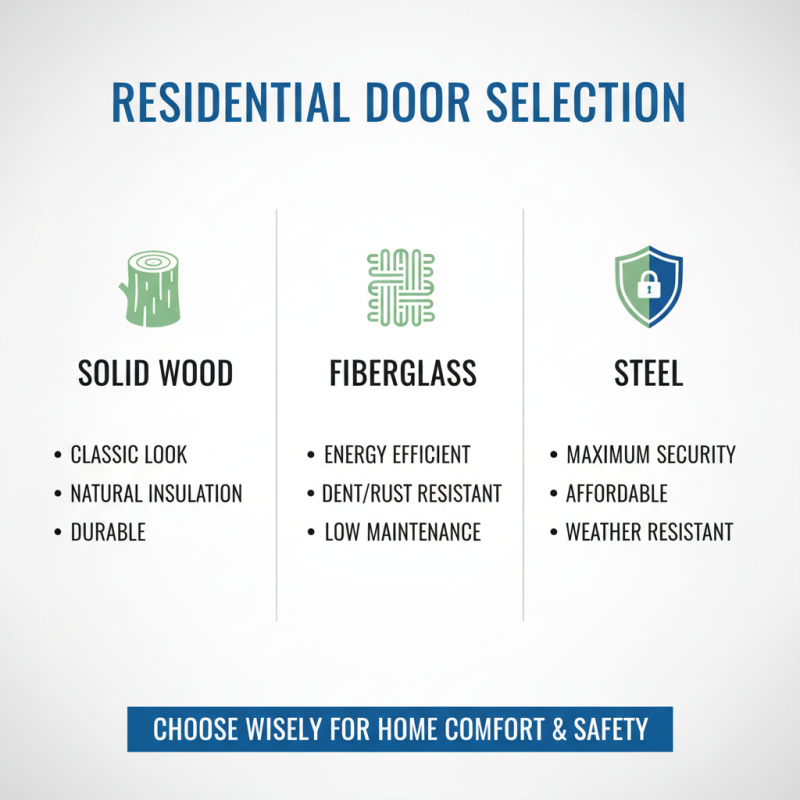
When selecting a residential door, several key features should be prioritized to ensure that you choose the best option for your home. First, consider the material of the door, as this affects not only aesthetics but also durability and security. Common materials include solid wood, fiberglass, and steel, each offering distinct advantages. For instance, fiberglass doors are energy-efficient and resistant to dents and rust, while solid wood doors provide a classic, timeless appeal with natural insulation properties.
Another essential feature to evaluate is the door's insulation capabilities. A well-insulated door can significantly reduce energy costs by maintaining indoor temperatures and minimizing drafts. Look for doors with energy star ratings or those designed with thermal barriers. Additionally, security features such as sturdy locks, reinforced frames, and impact-resistant glass can enhance your home's security and provide peace of mind. Lastly, consider the style and design that best complements your home's architecture, ensuring that the door not only serves its functional purpose but also enhances curb appeal.
Exploring Different Styles of Residential Doors for Every Home
When it comes to residential doors, selecting the right style is essential for enhancing both the aesthetic and functional aspects of a home. According to a recent industry report by the American Institute of Architects, the demand for various door styles has seen a significant rise, with 34% of homeowners prioritizing entry door design in their renovations. The principal styles to consider include traditional, modern, rustic, and contemporary, each bringing a unique character to the facade of a house.
Traditional doors often encapsulate historical elements and craftsmanship, characterized by details such as paneling and ornate knobs. In contrast, modern doors lean towards simplicity, employing clean lines and minimal embellishments; a trend that has increased by 25% over the past five years among homeowners seeking a minimalist aesthetic. Rustic doors, made from natural wood, evoke a cozy and warm ambiance, appealing to those who favor organic materials. Meanwhile, contemporary styles blend various design elements, often incorporating glass panels to create a seamless connection with outdoor spaces. Research indicates that homes with well-chosen doors can see up to a 76% return on investment upon resale, showcasing the importance of selecting a style that not only complements personal taste but also offers lasting value.
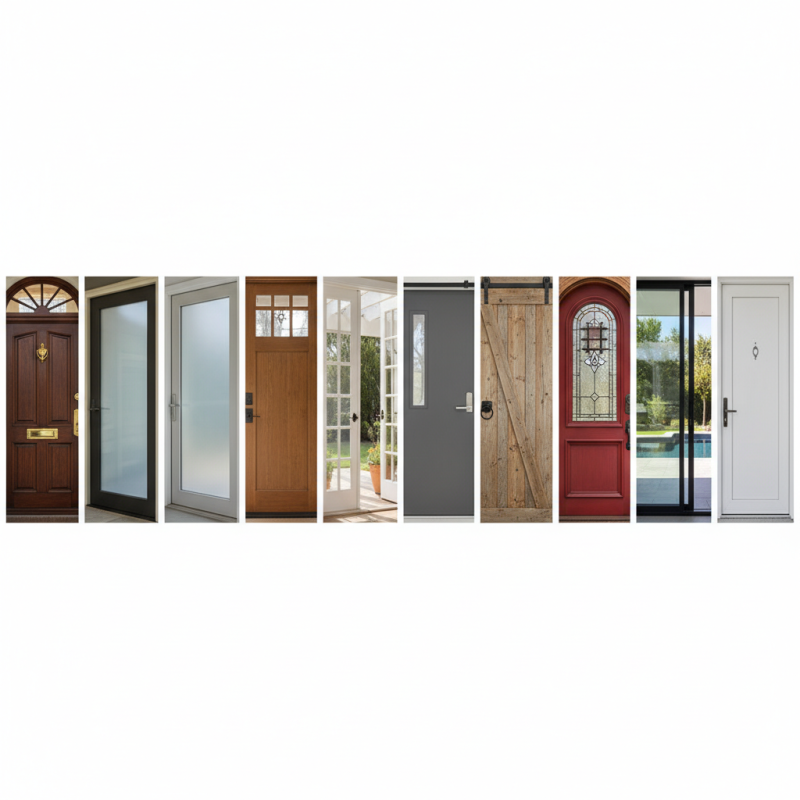
Top 10 Residential Doors: Features, Styles, and Popularity
Materials Used in Residential Doors: Pros and Cons
When choosing residential doors, the material can significantly impact both aesthetics and functionality. Common materials include wood, fiberglass, steel, and vinyl, each with its own set of pros and cons. Wooden doors offer traditional charm and natural insulation but can be vulnerable to warping and require regular maintenance. Fiberglass doors, on the other hand, mimic the look of wood while providing better resistance to the elements and lower maintenance. However, they can be more expensive upfront.
Steel doors are known for their durability and security, making them ideal for exterior entry points. They provide excellent insulation but may be prone to rust if not properly coated. Vinyl doors are relatively newer options, offering low maintenance and good energy efficiency, but they may not provide the same level of security as steel or wooden doors.
**Tips:** When selecting a door, consider your local climate and the door's exposure to weather conditions. Opt for materials that offer the best balance between design and functionality. Additionally, always check the door's energy efficiency ratings, which can contribute to long-term savings on energy bills.
Top 10 Residential Doors: Features, Styles, and Buying Guide for Homeowners
| Door Type |
Material |
Pros |
Cons |
Average Price |
| Fiberglass Door |
Fiberglass |
Energy-efficient, low maintenance |
Can be expensive |
$800 - $2,500 |
| Steel Door |
Steel |
Highly durable, secure |
Prone to dents, can rust |
$500 - $1,500 |
| Wood Door |
Wood |
Beautiful, custom designs |
Requires maintenance, expensive |
$700 - $3,000 |
| Vinyl Door |
Vinyl |
Weather-resistant, low maintenance |
Less secure than wood or steel |
$600 - $1,200 |
| Composite Door |
Composite materials |
Good energy efficiency, resistant to warping |
Can be costly |
$600 - $2,000 |
| Aluminum Door |
Aluminum |
Lightweight, corrosion-resistant |
Less insulation |
$700 - $1,500 |
| Glass Door |
Glass |
Stylish, great natural light |
Privacy issues, fragile |
$800 - $2,000 |
| Sliding Door |
Glass, metal |
Space-saving, modern |
Less secure |
$600 - $2,000 |
| Dutch Door |
Wood or composite |
Unique style, versatile |
May require more maintenance |
$700 - $1,500 |
Essential Tips for Buying and Installing Residential Doors
When purchasing and installing residential doors, it’s vital for homeowners to consider various factors that ensure both aesthetic appeal and functional integrity. First, think about the material of the door—options include wood, fiberglass, steel, or vinyl, each offering distinct advantages in terms of durability, insulation, and maintenance. Assess your home’s style and the climate of your area; for instance, those in regions prone to harsh weather might prefer steel or fiberglass doors for their resilience against elements. Additionally, energy efficiency is key; look for doors with good insulation properties to help save on heating and cooling costs.
Installation is another important aspect that should not be overlooked. Ensure that the door frame is properly aligned and that the door swings smoothly. Homeowners should check for appropriate weather stripping to prevent drafts and moisture intrusion, which can lead to costly repairs down the line. Whether you're opting for a professional installation or a DIY approach, having the right tools and materials is crucial for a secure fit. Furthermore, reviewing local building codes and regulations can guide proper installation and ensure that your new doors meet safety standards. Taking these essential tips into consideration will help in selecting the right residential doors and executing a successful installation process.