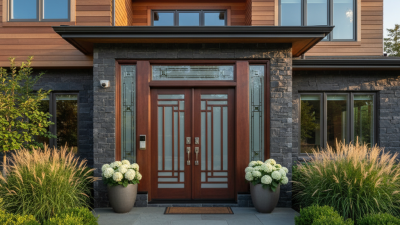
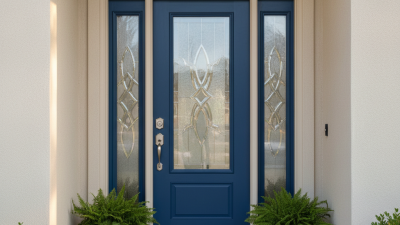
What Are the Top 10 Types of Home Entry Doors?
Choosing among the top 10 types of home entry doors involves more than matching a color to your exterior. A front door controls first impressions, daylight, privacy, weather resistance, and everyday security. It also affects how comfortably groceries, furniture, and muddy shoes move through the house. Bob Vila, a respected home-improvement expert, has said, “The front door is the focal point of your home’s exterior.” That observation remains practical, not merely decorative.
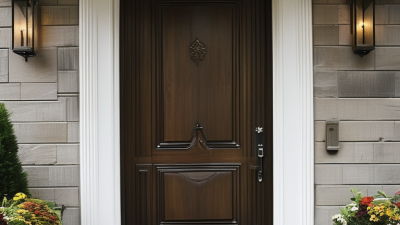
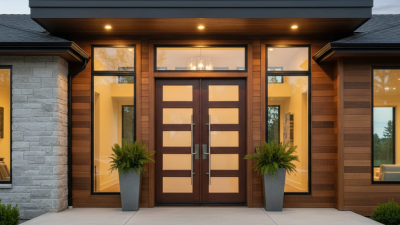
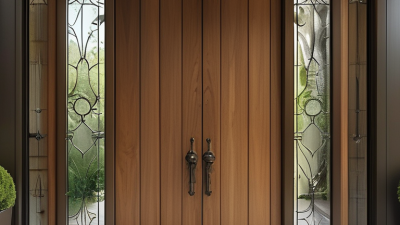
This guide examines ten common options, including wood, steel, fiberglass, glass-panel, double, sliding, arched, craftsman, modern flush, and storm-resistant doors. Each type behaves differently under sunlight, rain, humidity, and repeated use. A solid wood door may offer warmth and character, but it needs careful sealing. Fiberglass can imitate wood grain with less maintenance. Steel often provides strength, although scratches may expose vulnerable metal. Glass panels can brighten a dark foyer, yet they require thoughtful privacy planning.
Real homes rarely fit neat categories. A coastal entrance may need corrosion-resistant hardware, while a cold-climate doorway needs dependable weatherstripping and a low-conductivity core. Measurements matter. So do hinge placement, threshold height, swing direction, and installation quality. Even an expensive door can perform poorly when the frame is uneven. That detail is easy to overlook.
There is no universal winner. The best home entry doors balance appearance, climate, budget, maintenance, accessibility, and security. Product labels can sound impressive. Hands-on inspection remains wiser. Consider the door after ten years, not only on installation day.
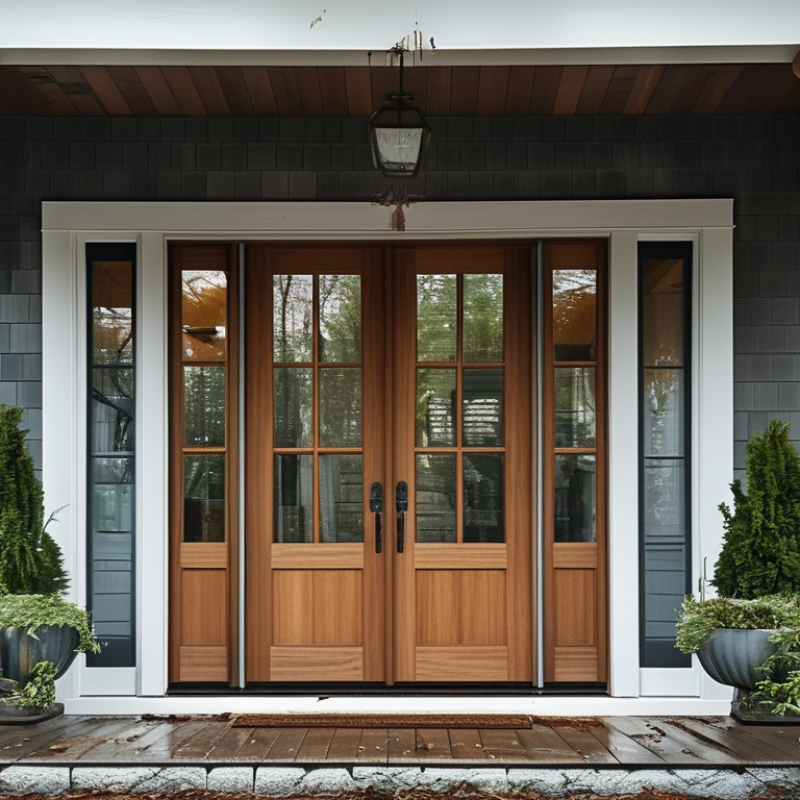
What Defines a Home Entry Door and Its Main Functions
A home entry door is the movable barrier between outdoor space and the interior of a house. It usually includes the door slab, frame, hinges, lockset, threshold, and weather seals. Its main functions are security, privacy, weather control, daylight management, and visual welcome. It also helps reduce drafts, outside noise, and heat transfer when properly fitted.
The ten common types include wood, steel, fiberglass, aluminum, glass, flush, panel, French, sliding, and Dutch doors. Each type solves a different practical need. A steel door can provide strong resistance and stable performance. Wood offers warmth but needs regular protection against moisture.
Fiberglass often balances appearance, insulation, and maintenance. Glass panels bring daylight inside, although their privacy level requires careful planning. Sliding doors save space, while Dutch doors support ventilation without fully opening the entrance.
A reliable entry door should match the home’s climate, structure, traffic, and maintenance expectations. Measure the opening carefully, including the threshold and surrounding wall condition. A small installation error can cause rattling, water entry, or uneven locking. I have found that appearance often receives more attention than sealing, which is a common mistake. The best choice is not always the most decorative one. Check hinge strength, lock alignment, drainage, and the door’s insulation rating. Local building requirements may also affect glazing, opening direction, and emergency access. A beautiful entrance still feels disappointing when cold air moves around its edges.
The Top 10 Types of Home Entry Doors Explained
What Are the Top 10 Types of Home Entry Doors?
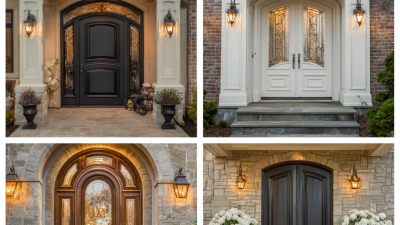
The top 10 types of home entry doors differ in material, movement, security, and daylight control. Wood doors offer natural grain, warmth, and easy refinishing. Fiberglass doors resist moisture and imitate wood with surprising detail. Steel doors provide strong impact resistance and usually cost less than premium wood. Glass entry doors brighten dark foyers, although privacy can become a concern. Sliding doors save space, but their tracks need regular cleaning. French doors create a wider opening and suit traditional homes. Pivot doors make a dramatic architectural statement, yet their hardware requires careful installation. Dutch doors allow ventilation while keeping pets or children inside. Storm doors add another weather barrier and can protect the main slab. Screen doors improve airflow, though they provide limited security.
Performance matters as much as appearance. The U.S. Department of Energy recommends tight weatherstripping and correctly sealed frames because small gaps increase drafts. The 2024 Cost vs. Value Report recorded a 188.1% average cost recoup for a steel entry-door replacement, but regional results vary. That figure should guide decisions, not dictate them. A beautiful glass door may still feel wrong on a shaded, exposed porch. My ranking is imperfect because climate, maintenance habits, and household needs change the result. Measure the opening carefully, inspect the threshold, and ask an experienced installer about water management before choosing a style.
How to Choose the Right Entry Door for Your Home
Choosing an entry door starts with your home’s conditions, not a showroom photograph. Solid wood offers warmth and repairability, but it needs regular sealing. Engineered wood resists movement better. Steel provides strong security and a lower price, although damaged coatings may rust. Fiberglass handles moisture well and can imitate wood grain. Aluminum is light and useful in modern designs. Glass-panel doors brighten a dark hallway, but privacy needs careful planning. Double doors create a wide opening. Sliding doors save space. Pivot doors make a bold statement. Storm doors add another weather barrier.
Measure the opening carefully, including the frame, threshold, wall depth, and swing direction. A beautiful door can still fail if the jamb is wrong. In my experience, homeowners often focus on color first and discover installation problems later. That order is backwards. Check the local climate, too. Coastal air, freezing winters, strong sunlight, and heavy rain each affect material choice.
Look for insulated cores, tight weatherstripping, durable hinges, and a properly sealed threshold. Ask an experienced installer how the frame will meet your wall, especially in older homes. Security depends on the complete system, not just the slab. A strong frame and correctly fitted lock matter greatly. Test sample finishes outdoors when possible; indoor lighting can mislead you. I once underestimated how dark a finish appeared beside red brick. Small details change the result. Choose glass only after considering visibility, heat gain, and cleaning. The right entry door should open smoothly, stay comfortable near the edges, and suit how your household actually lives.
What Are the Top 10 Types of Home Entry Doors?
Typical thermal performance of common entry-door types. A lower U-factor indicates better insulation. Values are representative estimates for complete door assemblies; actual performance depends on construction, glazing, frame design, and installation.
When choosing an entry door, compare U-factor, air leakage, weather resistance, security, maintenance needs, and the architectural style of your home.
How to Compare Entry Doors by Cost, Durability, and Maintenance
The ten common entry-door choices include wood, steel, fiberglass, aluminum, glass, wrought iron, composite, panel, flush, and Dutch doors. Each balances cost, strength, appearance, and upkeep differently. A basic steel door often costs less and resists warping, but scratches can expose rust. Fiberglass handles rain and sunlight well, with less maintenance. Wood feels warm and substantial, though it may need sealing every few years.
Glass doors bring daylight but require stronger locks, privacy treatment, and frequent cleaning. Wrought iron and aluminum offer distinctive designs, yet installation can increase the budget. Composite doors resist moisture and dents, although quality varies widely. Panel and flush doors describe their surface style, while Dutch doors divide at the middle and may need careful weatherproofing. Prices depend on size, insulation, hardware, and labor. A low purchase price is not always the lowest long-term cost. I have seen neglected finishes age faster than expected.
Tips: Compare complete installed quotes, not door prices alone. Ask about insulation ratings, frame materials, drainage, and warranty coverage. Check the door after heavy rain. Look for swelling, drafts, loose hinges, or water marks. In coastal areas, choose corrosion-resistant hardware. If maintenance is difficult to schedule, avoid finishes needing frequent repainting. Still, no material is perfect. A durable door can feel disappointing if its lock, frame, or installation is weak.