How to Choose Elegant Entry Doors for Your Home?
(866) 440-8136 Open 9am - 6:30pm EST on Mon - Fri or 10am - 4pm EST on Sat Showroom Locations

We ship across the U.S. and Canada. Visit our showrooms in Atlanta, Tampa and Naples and Nashville!

How to Choose Elegant Entry Doors for Your Home?

Choosing elegant entry doors is not only a matter of color, ornament, or impressive hardware. The right door should welcome guests, protect your interior, and withstand years of weather. It must also suit the home’s proportions. A narrow entrance may look overwhelmed by oversized panels, while a broad facade can make a tiny door feel lost.

Tom Silva, veteran builder and longtime home renovation expert, has said, “A door is only as good as its installation.” That practical reminder deserves attention. Even beautiful elegant entry doors can leak air when the frame is poorly aligned. Look closely at the threshold, weatherstripping, hinges, and locking system. Run your hand along the frame. Do you feel a draft? That small detail matters.

Material choices shape both appearance and maintenance. Solid wood offers warmth, visible grain, and traditional character. Fiberglass can imitate wood while resisting moisture and daily wear. Steel provides strength, though damaged finishes may eventually show rust. Glass panels can brighten a dim hallway, but privacy and security still require careful planning. Frosted or textured glass may be the better compromise.

Think about morning light, muddy shoes, and winter wind. Those ordinary moments reveal whether a door truly works. There is no perfect choice. Even experienced homeowners sometimes focus too much on appearance. A thoughtful decision balances beauty, insulation, durability, accessibility, and installation quality. This guide explains how to compare elegant entry doors without sacrificing comfort or practical performance.
How to Choose Elegant Entry Doors for Your Home?

Define Your Home’s Entry Door Style and Functional Needs

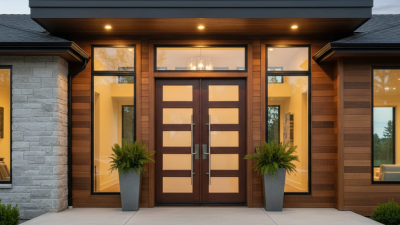
An elegant entry door should reflect how your home actually works. Begin by observing the entrance at different times of day. Does morning light reveal a warm wood tone, or does the porch remain shaded and cool? A narrow doorway may need a simple panel design, while a wide facade can support glass sections or balanced sidelights. Style should feel connected to the roofline, exterior colors, and nearby windows.

Function deserves equal attention. Measure the opening, wall depth, threshold height, and available swing clearance before choosing a design. A beautiful door can become frustrating if it blocks a hallway or strikes a railing. Consider weather exposure, too. Strong sunlight can fade finishes, while wind-driven rain may demand a better sealing system. In colder regions, insulated cores and properly fitted weatherstripping can improve comfort and reduce drafts. Local building requirements should guide glazing, hardware height, and emergency access decisions.

I once focused too heavily on appearance and overlooked the handle position. It looked refined, but children could not reach it comfortably. That mistake changed my approach. I now test a sample finish outdoors, stand several steps away, and open the door repeatedly before approving it. Ask a qualified installer to inspect the frame and surrounding structure. Small alignment errors become obvious after seasonal movement. Some choices remain imperfect. That is normal. The right entry door should support daily movement, welcome visitors, and suit the home without demanding constant care.

Measure the Doorway and Assess Installation Requirements

How to Choose Elegant Entry Doors for Your Home?

Measure the doorway before choosing an elegant entry door. A beautiful design cannot correct an inaccurate opening. Measure width at the top, middle, and bottom. Record the smallest number. Measure height on both sides and through the center. Check the rough opening, not only the visible door slab. A tape measure is not enough. Use a level to test whether the jambs are plumb. Use a square to check each corner. Even small gaps can cause drafts, sticking, or uneven reveals.

On a recent renovation, the existing threshold sat higher than expected. That detail changed the swing clearance and required careful floor adjustment. Check jamb depth, exterior trim, interior casing, and the location of nearby walls. Confirm whether the door swings inward or outward, and leave space for furniture, lighting, and handrails. Inspect the sill for water drainage. Ask a qualified installer to review the rough opening and local building requirements before ordering. Installation may require shims, flashing, insulation, and weather-resistant sealing. These details are easy to overlook. I still recheck measurements before placing an order, because one rushed number can make an expensive door unusable.

How to Choose Elegant Entry Doors for Your Home? - Measure the Doorway and Assess Installation Requirements

Measurement or Requirement How to Check Typical Residential Guideline Why It Matters for Door Selection Installation Note
Finished opening width Measure between the inside edges of the side jambs at the top, middle, and bottom. Many single entry doors are approximately 30–36 in wide; wider openings may require a custom size or sidelites. Determines whether a single door, wider leaf, or decorative sidelites will provide balanced proportions. Use the smallest measurement and allow the installer to verify fitting clearance.
Finished opening height Measure from the finished floor or threshold surface to the underside of the head jamb at both sides and the center. A common single-door height is about 80 in; taller doors may require modified framing. Helps maintain an elegant vertical proportion while preventing conflicts with the header or ceiling trim. Account for flooring, threshold height, and any planned changes to the finished floor.
Rough opening Expose or inspect the framed opening and measure its width and height before ordering a pre-hung unit. The rough opening is normally larger than the door unit to provide space for shimming, leveling, and adjustment. Affects whether the selected pre-hung door can be installed without reframing. Do not rely only on the existing slab size; verify the complete framed opening.
Jamb depth Measure from the interior drywall or trim surface to the exterior wall face. Common jamb depths vary with wall construction, often around 4 9/16 in or 6 9/16 in. Ensures the frame aligns with the wall and allows casing or interior trim to sit neatly. An extension jamb may be needed when the wall is deeper than the selected frame.
Door handing and swing Stand outside facing the door and identify the hinge side; check whether the leaf swings inward or outward. The handing must match the entry layout, furniture placement, and local safety requirements. Prevents the door from blocking stairs, hallways, lighting, or nearby furniture. Confirm the swing direction before ordering a pre-hung door or multi-point lock system.
Threshold and sill condition Inspect for rot, cracking, uneven surfaces, water staining, and the direction of drainage away from the wall. The sill should be level, adequately supported, and detailed to resist water entry. Supports smooth operation and protects the entry from drafts and moisture damage. Replace damaged substrate and use compatible sill pan or flashing details where required.
Exterior wall material Identify brick, stone, stucco, siding, concrete, or another cladding around the opening. Each cladding type needs different trim, flashing, sealant, and fastening methods. Influences the appearance of the casing and the complexity of the installation. Coordinate exterior trim depth and waterproofing details before removing the existing frame.
Structural support above opening Check whether the existing header and surrounding framing can support the proposed opening size. Widening or raising an opening may require a properly sized header and professional structural review. Allows larger glass panels, transoms, or sidelites without compromising the wall structure. Never cut structural framing without qualified assessment and approval where required.
Clearance around the door Measure the space for the door leaf, handle, closer, trim, steps, railings, and adjacent walls. The door must open fully enough for comfortable passage and should not strike nearby obstacles. Guides the choice between a standard leaf, outswing configuration, or a door with sidelites. Check accessibility and egress clearances against applicable local codes.
Weather exposure Note direct sun, wind-driven rain, snow, coastal air, and whether a porch or overhang provides protection. Unprotected elevations need durable finishes, weather-resistant seals, and correctly integrated flashing. Helps match the door material, glazing, finish, and maintenance needs to the climate. Use exterior-rated components and maintain perimeter sealants according to installation guidance.
Glazing and privacy needs Determine the desired daylight, visibility, privacy, and security level before choosing decorative glass. Safety glazing may be required in doors and certain nearby locations; requirements vary by jurisdiction. Balances an elegant appearance with natural light, privacy, and household safety. Verify glazing safety requirements and select suitable insulating glass for the climate.
Installation complexity List any required reframing, masonry work, electrical access, trim replacement, or flooring changes. A replacement in the same opening is generally simpler than widening, raising, or relocating the entry. Allows an accurate budget and helps determine whether the design is practical for the existing home. Have final measurements confirmed by an experienced installer before fabrication or purchase.

Measurement reminder: Record the smallest width and height measurements, photograph the existing opening, and confirm local building, accessibility, egress, and weatherproofing requirements before ordering the door.

Compare Materials, Construction, Security, and Energy Efficiency

How to Choose Elegant Entry Doors for Your Home?

An elegant entry door should feel solid, close quietly, and suit the home’s architecture. I learned this after choosing a beautiful door that felt weak in winter. Wood offers natural grain and warmth, but it needs regular sealing against moisture. Steel provides strong resistance and clean lines, although dents can be difficult to repair. Fiberglass can imitate wood with less maintenance. Material alone is not enough.

Construction affects durability and comfort. Look for a reinforced frame, tight corner joints, and adjustable hinges. A well-fitted threshold prevents drafts and rain from entering beneath the door. Multi-point locks can improve resistance against forced entry when installed correctly. Ask a qualified installer how the frame connects to the wall. Small gaps often reveal poor workmanship. That detail matters.

Energy efficiency depends on the complete door system, not just the panel. Check the insulation core, weatherstripping, threshold seal, and glazing performance. Low-emissivity glass can reduce heat transfer while admitting daylight. In a cold hallway, touch the interior surface on a winter morning. It should not feel noticeably chilled. Security also requires a strong deadbolt, protected hinges, and clear exterior lighting. I once underestimated lighting and focused too much on decorative glass. That was a useful mistake. Review independent performance ratings, installation guidance, and local building requirements before ordering. A professional measurement can prevent costly fitting problems.

Select Glass, Hardware, Finishes, and Decorative Details

How to Choose Elegant Entry Doors for Your Home?

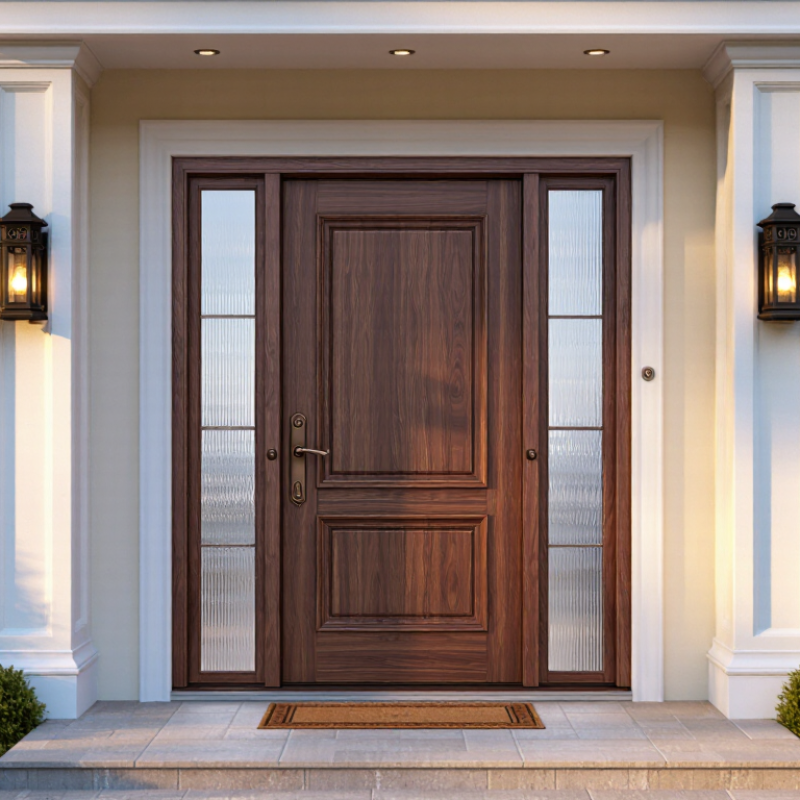
Elegant entry doors begin with glass, because light changes the entire entrance. Clear glass creates an open feeling, while textured or frosted glass offers privacy. Consider the street view, afternoon glare, and nearby lighting before deciding. Tempered or laminated glass is a sensible safety choice for busy households. A narrow glass panel can also brighten a dark hallway without exposing the whole interior.

Hardware should feel comfortable, not merely decorative. Test the handle height and grip before installation. Solid-looking hardware usually suits substantial doors, while slim pulls complement cleaner designs. Finishes deserve equal attention. Matte black feels architectural, brushed metal appears softer, and warm bronze can support traditional details. Check samples beside the door material and exterior walls. Indoor lighting can make a finish appear surprisingly different. I once approved a warm finish from a small sample, but it looked too orange outdoors. That mistake changed how I review materials.

Tips: Keep the decorative details controlled. A simple grille, shallow molding, or small inlay can add character. Too many elements compete at the entrance. Match the door accents with nearby lights or railings, but do not force an exact match. Ask about coating durability, cleaning needs, and hardware corrosion resistance. A beautiful door still needs practical maintenance. Revisit the design after a few days; hesitation often reveals an overlooked detail.

How to Choose Elegant Entry Doors for Your Home?

Select glass, hardware, finishes, and decorative details by balancing visual appeal with everyday performance.

This practical planning benchmark rates the relative importance of common entry-door decisions on a 1–10 scale. Prioritize weather resistance and security first, then coordinate glass privacy, hardware durability, finish longevity, and decorative details with your home's architectural style.

Evaluate Durability, Maintenance, Budget, and Professional Installation

An elegant entry door should withstand daily use, changing weather, and accidental impacts. Check the frame, hinges, threshold, and locking points before judging its appearance. Solid wood offers warmth, but it may expand or contract in humid conditions. Fiberglass resists moisture well, while steel can provide strong security but may dent. Ask for tested performance data, not only attractive photographs.

Maintenance affects long-term cost. A coated surface may need occasional cleaning, while wood often requires sanding, sealing, or repainting. Inspect the lower edge carefully, where rainwater and dirt collect. Measure twice. I once underestimated the importance of afternoon sunlight; the dark finish became noticeably hotter than expected. That mistake changed how I evaluate color, glazing, and ventilation.

Set a complete budget before selecting decorative glass, sidelights, or upgraded hardware. Include removal, disposal, structural adjustments, delivery, and finishing work. A low purchase price can become expensive when the opening is uneven. Professional installation helps maintain weather resistance and correct alignment. The installer should verify the rough opening, flashing, drainage, and threshold support. Request written measurements and a clear labor warranty. Even experienced homeowners can miss small gaps around the frame. Details matter. During the final inspection, open and close the door several times, check the seal, and look for daylight around the edges. A beautiful door should also feel stable, quiet, and easy to operate.