What is Fiberboard Medium Density Board Uses and Benefits?
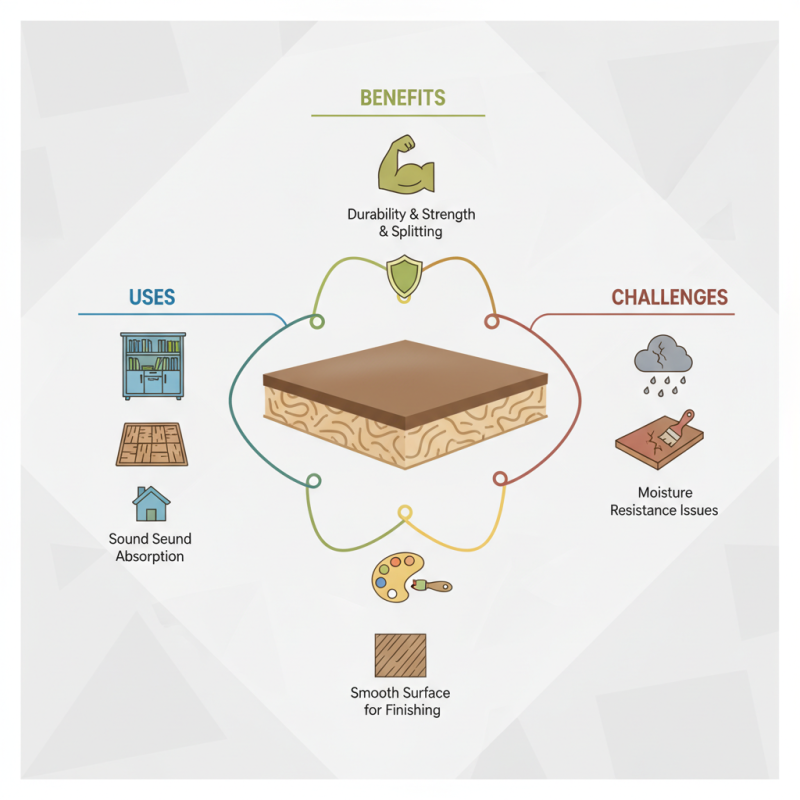
Fiberboard Medium Density Board is a versatile material known for its durability and strength. It plays a vital role in construction and furniture manufacturing. This board is made from wood fibers, bonded with heat and pressure. Its smooth surface makes it ideal for painting and veneering.
Many industries rely on Fiberboard Medium Density Board for various applications. It is widely used in cabinets, shelves, and flooring. The board's ability to resist warping and splitting enhances its appeal in furniture design. Moreover, it provides excellent sound absorption, making it suitable for interior spaces.
Despite its many advantages, there are challenges to consider. For instance, some users report issues with moisture resistance. Proper sealing is essential to prevent damage. Understanding these nuances in Fiberboard Medium Density Board can help consumers make informed decisions.
What is Medium Density Fiberboard (MDF)?
Medium Density Fiberboard (MDF) is an engineered wood product made from wood fibers, wax, and resin. This combination creates a dense and smooth board. Users appreciate its versatility. MDF can be cut, shaped, and finished easily, making it ideal for a variety of applications. It is popular in furniture making, cabinetry, and decorative moldings.
One of the main benefits of MDF is that it does not warp or crack like solid wood. This stability is crucial for projects requiring precision. However, MDF does have its downsides. It can emit volatile organic compounds (VOCs) due to its resin content. Proper ventilation is important during cutting and handling to mitigate any health risks.
The smooth surface of MDF is perfect for painting and veneering. It offers a clean canvas for creativity. Nonetheless, those working with MDF should be aware of dust created during sanding. This dust can be harmful if inhaled. Using masks and proper safety gear is a necessary step for protection. Choosing MDF can be a smart choice, provided one is mindful of the health considerations involved.
Key Properties and Characteristics of MDF
Medium Density Fiberboard (MDF) is a versatile material in construction and furniture-making. Its key properties include high density, smooth texture, and ease of machining. MDF typically has an average density of 600-800 kg/m³, which contributes to its strength and durability. This material is also resistant to warping, cracking, and splitting, making it ideal for various applications.
One notable characteristic of MDF is its fine surface, which allows for high-quality finishes. This makes it possible to paint or veneer easily. Many reports suggest that its consistent texture reduces the likelihood of defects during assembly. Proper treatment can also enhance its moisture resistance, an essential quality for kitchen and bathroom fixtures.
Tip: To choose the right MDF, assess your project's moisture exposure. Regular MDF is suitable for dry conditions, but moisture-resistant variants are better for humid environments. Additionally, consider the thickness of the board based on the support needed for your project. Often, people overlook the importance of thickness, which can lead to instability in their designs. Being mindful can save time and costs down the line.
Uses and Benefits of Medium Density Fiberboard (MDF)
Medium Density Fiberboard (MDF) is a versatile material commonly used in various applications. This chart represents the distribution of MDF usage across different sectors, showcasing its popularity in furniture production, cabinetry, construction, flooring, and soundproofing. Its unique properties make it an ideal choice for these applications.
Common Applications of Medium Density Fiberboard
Medium Density Fiberboard (MDF) is widely used in various industries due to its versatility and ease of use. One of the most common applications of MDF is in furniture manufacturing. According to a 2023 industry report, around 30% of furniture produced globally contains MDF. Its smooth surface allows for intricate designs and finishes, making it an ideal choice for cabinetry and shelving.
In addition to furniture, MDF is frequently used in flooring and interior wall paneling. It can be easily cut into various shapes and sizes, providing flexibility for designers. A study highlighted that nearly 25% of interior design projects incorporate MDF for its aesthetic appeal and durability. However, it’s important to note that while MDF is easy to work with, its susceptibility to moisture damage can raise concerns in certain environments. Proper sealing and finishing methods must be employed to mitigate this issue and enhance its longevity.
MDF also plays a significant role in crafting prototypes and models in engineering and design fields. Its machinability allows for precise cuts, making it a favorite among designers. Yet, sustainable practices must be adopted, as the production process can contribute to waste. Thus, while MDF offers many benefits, continuous evaluation of its environmental impact is necessary.
Benefits of Using MDF in Construction and Furniture
Medium Density Fiberboard (MDF) has gained popularity in construction and furniture making. Its versatility stands out. The manufacturing process involves binding wood fibers with adhesives, creating a dense, smooth board. This makes MDF ideal for detailed designs and finishes.
MDF is particularly beneficial for furniture. It is easy to cut and shape. Interior designers favor MDF for its sleek look. Additionally, the surface is perfect for painting or veneering. This allows for a wide range of aesthetics from modern to classic. Unlike solid wood, MDF does not warp. It resists cracking and is less prone to splits.
In construction, MDF offers practical advantages. It is lighter than many alternative materials. This makes installation easier and reduces transportation costs. However, some concerns linger about durability in humid conditions. Using MDF in kitchens and bathrooms requires caution. Proper sealing can mitigate potential issues. Overall, MDF presents a balance of affordability and functionality for builders and designers.
Environmental Considerations and Sustainability of MDF
Medium Density Fiberboard (MDF) is often praised for its versatility, but we must also consider its environmental impact. According to the American Institute of Timber Construction, MDF is made from wood fibers, adhesives, and often recycled materials. This reuse of wood contributes positively to sustainability by reducing deforestation rates. Yet, emission of volatile organic compounds (VOCs) during MDF production and use poses risks. Proper ventilation and selection of low-VOC options can mitigate these issues.
Studies show that the lifecycle of MDF can be more eco-friendly compared to solid wood. Research by the Forest Products Laboratory indicates that utilizing waste fibers from lumber reduces landfill waste and carbon footprints. However, it's important to note that the adhesives used in MDF can vary widely. Not all MDF is created equal. Some products may contain harmful chemicals that can affect indoor air quality. Awareness and testing are key to choosing safer options.
The recycling of MDF is another area needing attention. While some facilities accept MDF, many do not, limiting its end-of-life options. A report by the European Panel Federation highlights how better recycling practices could enhance MDF's sustainability profile. Overcoming these challenges requires ongoing commitment to environmental stewardship in the manufacturing process and responsible product choices by consumers.