How to Choose the Right Speed Door for Your Business Needs?
Choosing the right Speed Door for your business is crucial. Speed Doors enhance security and efficiency in various industries. According to a report by Research and Markets, the global industrial doors market is expected to reach $11 billion by 2025, highlighting the growing importance of quality speed doors.
In fast-paced environments, such as warehouses and manufacturing, speed is essential. The right Speed Door can improve workflow and reduce energy costs. A study from McKinsey notes that properly designed doors can decrease air loss by up to 50%. This can lead to significant energy savings for businesses.
Companies often overlook the specific needs of their operations when selecting Speed Doors. Factors such as size, material, and automation features should not be underestimated. Understanding your facility's requirements is key. Investing in the wrong type of door can lead to inefficiencies and increased operational costs. It's important to critically assess your needs before making a choice.
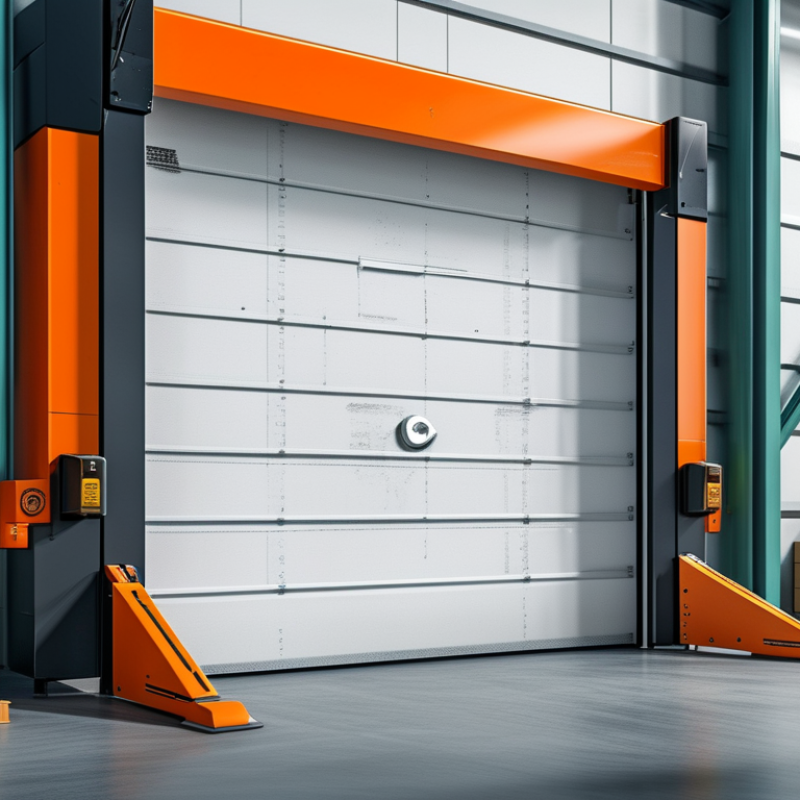
Understanding Different Types of Speed Doors Available for Businesses
When selecting speed doors for your business, it's crucial to understand the different types available. These doors serve various functions. Some are built for high traffic areas, while others cater to temperature-sensitive environments. High-speed roll-up doors are popular in warehouses. They open quickly, enhancing workflow efficiency.
Another option is insulated speed doors. These are ideal for climate-controlled zones. They help maintain temperature and save energy. They are useful in food processing or cold storage facilities. Each type comes with unique features. Factors like material, durability, and maintenance should be considered.
However, not every speed door fits every business. It's essential to evaluate your specific needs. Think about the environment where the doors will be installed. Reflect on the frequency of use and potential wear and tear. A mismatch could lead to ongoing repair costs or operational hiccups. So, reviewing the options carefully is vital before making a decision.
Evaluating Your Business Environment and Workflow Requirements
Evaluating your business environment is crucial when selecting a speed door. Different settings require unique solutions. For instance, in a cold storage facility, a high-speed, insulated door enhances efficiency. The right choice can improve workflow and energy savings significantly. According to a report by Market Research Future, speed doors can reduce thermal loss by up to 30%. This has a direct impact on operational costs.
Workflow requirements also dictate your speed door choice. In a high-traffic area, durability and performance are essential. Studies indicate that businesses experience a flow improvement of 25% with automated speed doors. However, maintenance should not be overlooked. Neglecting regular checks can lead to increased downtime. Furthermore, assessing how often doors need resetting or repairs is vital. Ensuring you choose a door that aligns with your specific traffic patterns will yield the best results.
Assessing Energy Efficiency and Operational Cost Savings
Choosing the right speed door for your business requires careful consideration of energy efficiency and operational cost savings. Energy-efficient doors help minimize your facility's heating and cooling costs. They create an effective barrier against drafts, reducing the workload on heating and cooling systems. This can lead to significant savings on utility bills over time.
Operational costs are another crucial factor. Speed doors can enhance workflow by increasing access and reducing wait times. In high-traffic areas, these doors can minimize the time that facilities remain open. However, it’s essential to consider the initial investment against long-term savings. Sometimes, cheaper options may lead to higher expenses in energy usage or maintenance. Analyzing total cost ownership can provide a clearer picture of the overall benefits.
While speed doors offer many advantages, it is vital to evaluate the specific needs of your business. Not every door suits every application. Taking time to assess the flow of operations and energy costs can lead to better decisions. Don’t rush into a purchase without understanding the long-term impact. Reflecting on real-life scenarios can guide you to the best choice.
Considering Safety Features and Compliance with Industry Standards
When selecting a speed door for your business, compliance with safety standards is paramount. According to the International Safety Equipment Association, over 20% of workplace accidents are related to door malfunctions. Proper safety features can significantly reduce these risks. Look for doors that include safety sensors, emergency stop buttons, and edge sensors, which help prevent accidents.
Regular maintenance also plays a crucial role in ensuring safety and compliance. The Occupational Safety and Health Administration (OSHA) recommends routine inspections of door components. This practice can prevent costly accidents and injuries. It is essential to have a trained professional assess your doors periodically to identify potential safety hazards.
Tips: Always check for local safety regulations that may apply to your industry. Understand the certification requirements for speed doors in your region. Investing in compliant doors not only safeguards your workforce but also improves overall operational efficiency. Consider conducting risk assessments to ensure your chosen doors meet the specific safety standards of your business environment.
Analyzing Speed Door Durability and Maintenance Needs for Longevity
When selecting a speed door, durability should be a top priority. The material used can greatly influence its lifespan. Common materials include vinyl, aluminum, and high-strength fabrics. Each option has unique durability properties. For example, vinyl doors may resist tear and wear better in certain environments. In contrast, aluminum doors are often chosen for high-traffic areas due to their strength and resistance to corrosion.
Maintenance also plays a crucial role in ensuring longevity. Regular inspections can identify wear and tear early. Keeping the rollers and tracks clean is vital to prevent daily operational issues. Scheduling periodic professional maintenance can further enhance a door's lifespan. Neglecting these tasks may lead to costly repairs or replacements. It's essential to train staff on proper handling to avoid accidental damage.
Finding the right balance between durability and maintenance requirements can be challenging. Some materials may need more frequent upkeep than others, which can be a burden for busy operations. Reflecting on your specific environment and usage frequency may help in making this decision. Making the right choice can save time and money in the long run.