How to Choose the Best Front Entry Doors for Your Home?
Choosing the best front entry doors for your home is crucial. These doors serve as the first impression for guests and can enhance your home's curb appeal. The right front entry doors can provide both security and style.
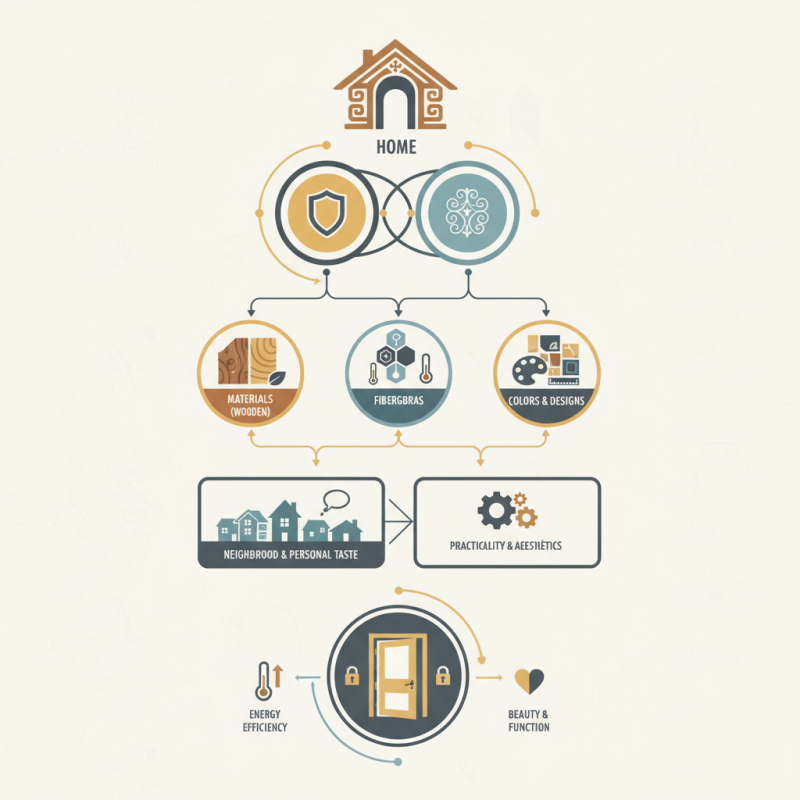
When selecting these doors, consider materials, colors, and designs. Wooden doors offer a classic look, but require maintenance. Fiberglass doors are durable and energy-efficient, though they may lack a natural aesthetic.
Think about your neighborhood and personal taste. A door that looks appealing in one setting may seem out of place in another. Consider practicality and aesthetics equally. Sometimes, a door may have a beautiful design but lacks energy efficiency. Reflect on what matters most to you. The perfect front entry door should balance beauty and function, making your home inviting and secure.
Understanding the Importance of Front Entry Doors in Home Design
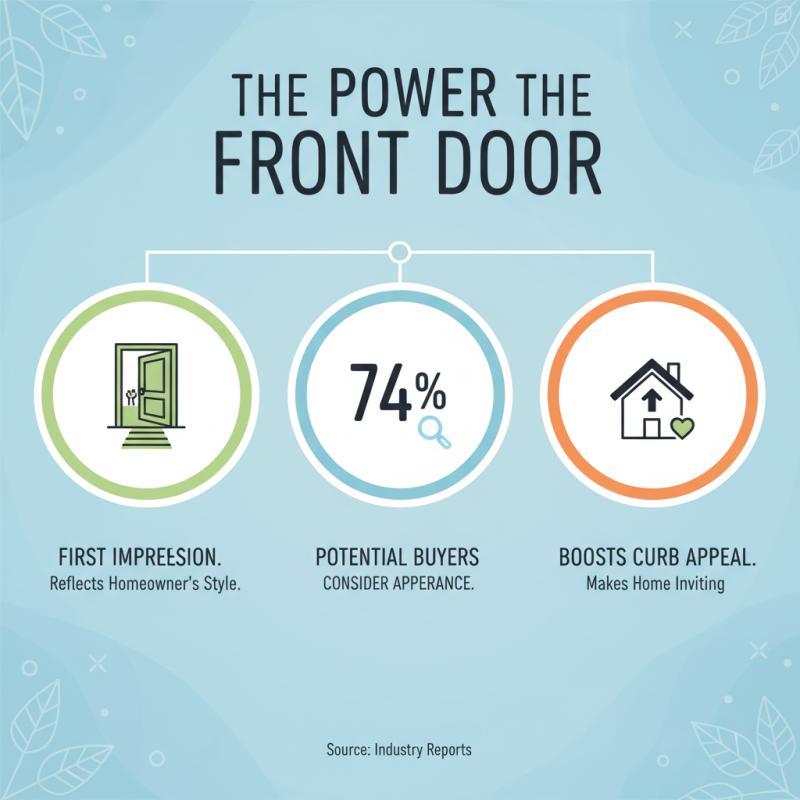
Front entry doors hold significant value in home design. They create the first impression for visitors and reflect the homeowner's style. According to industry reports, 74% of potential buyers consider the front door’s appearance when viewing a home. A well-chosen door can attract attention and enhance curb appeal, making a house feel more inviting.
But choosing the right front door is not just about aesthetics. Reports show that replacing an entry door can yield a return on investment of over 70%. However, many homeowners overlook this critical aspect. They might focus too much on color or material but fail to consider energy efficiency. A poorly insulated door can lead to increased heating or cooling costs.
The materials of front entry doors vary greatly. Wood doors offer charm but require more maintenance. Steel doors provide security but can be prone to denting. Fiberglass doors offer a balance but might not appeal to all styles. Each choice creates a different ambiance. Reflecting on these elements is crucial for effective home design.
Evaluating Different Materials for Front Entry Doors
When considering front entry doors, material plays a significant role. Wood, fiberglass, and steel are the most common choices. Wood doors offer warmth and style. They can be customized to fit any home design. However, they need regular maintenance. Without proper care, wood can warp or rot.
Fiberglass doors are durable and low-maintenance. They resist dents and scratches, making them ideal for busy households. Available in various styles, they can mimic wood's beauty. Yet, some homeowners feel they lack the authentic charm of natural wood.
Steel doors provide excellent security and insulation. They are tougher than wood and fiberglass. However, they can rust if not properly coated. This is a common issue in places with heavy rain or humidity. Homeowners may find the initial investment higher, but the longevity can justify the cost. Overall, understanding each material’s pros and cons is vital.
How to Choose the Best Front Entry Doors for Your Home? - Evaluating Different Materials for Front Entry Doors
| Material |
Durability |
Energy Efficiency |
Maintenance |
Cost |
| Wood |
Moderate |
Good |
High |
$$ |
| Fiberglass |
High |
Excellent |
Low |
$$$ |
| Steel |
Very High |
Moderate |
Low |
$ |
| Aluminum |
High |
Good |
Very Low |
$$ |
| Composite |
High |
Excellent |
Low |
$$$ |
Assessing Security Features for Your Front Entry Door
When selecting a front entry door, security features are crucial. Home invasions occur every 26 seconds in the U.S., according to the FBI. This statistic underscores the need for robust entryways. Choosing a door made of solid wood or fiberglass is essential. These materials offer better resistance against forced entry compared to hollow-core options.
Additionally, look for doors with multi-point locking systems. These locks engage at multiple points along the door frame. Homes with multi-point locks see a 50% reduction in break-in attempts, as noted by many security professionals. Reinforced frames also strengthen the door against impact. Even the best locks can fail if the door frame gives way. Windowed doors can be beautiful but pose a risk. Consider frosted or laminated glass to mitigate vulnerabilities.
Don’t overlook the importance of hinges. External hinges are easy targets; hidden hinges provide extra security. Also, door viewers enhance safety by allowing residents to see who is outside. Evaluating these features can be overwhelming. Many homeowners may prioritize aesthetics over security without realizing the consequences. Balancing style and safety is key to making an informed choice.
Choosing the Right Style to Complement Your Home’s Architecture
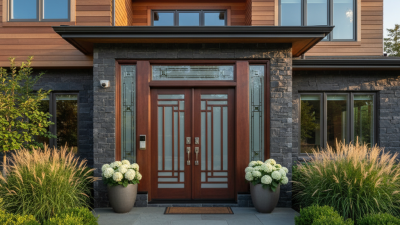
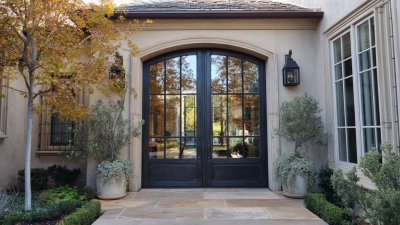
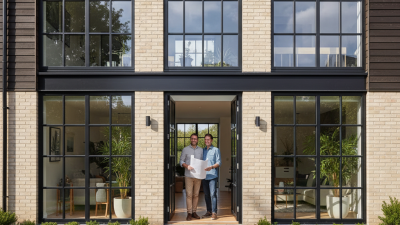
When selecting the perfect front entry doors, it's crucial to consider your home’s architecture. Different styles evoke different emotions and set the tone for your entire property. For a modern home, sleek lines and large glass panels work wonderfully. For a traditional home, consider classic wooden doors with intricate detailing. Each choice reflects on your personality and your home's ultimate aesthetic.
Color plays a significant role too. A bold hue can become a stunning focal point, while more muted tones can blend harmoniously with the surrounding elements. Picture a deep blue door on a brick house or a soft gray door to complement a white facade. However, it’s important not to overlook contrast. A color that clashes with your home's palette may initially seem unique but could lead to regrets later.
Remember, the door should not just be visually appealing, but also functional and secure. It's easy to focus on looks, only to find that your choice is less durable than anticipated. Consider the materials carefully too. Will a wooden door withstand local weather? Will you be able to maintain its beauty over time? Reflecting on these aspects will help you avoid common pitfalls and choose a door that truly complements your home’s architecture.
Factors to Consider for Energy Efficiency in Front Entry Doors
When choosing front entry doors, energy efficiency is crucial. A well-insulated door reduces heating and cooling costs. Look for options that have at least a decent R-value. This measure indicates how well the door resists heat transfer. If possible, get doors with double or triple glazing. These can significantly improve thermal performance.
Another factor is the material used. Fiberglass and steel doors offer better insulation than traditional wood. They also provide enhanced security. Pay attention to the weather stripping and seals around the door. Poorly installed weather stripping can lead to drafts. Small gaps can significantly impact energy efficiency. Remember to regularly check and maintain these seals.
Lastly, consider the color and finish. Darker colors absorb heat, which can be a downside in warm climates. A door's energy efficiency not only affects your bills but also your overall comfort. Do not rush this decision. Take time to research and reflect on what suits your home best. Making the right choice can make a big difference.
Factors Affecting Energy Efficiency in Front Entry Doors