
Top 10 Benefits of Double-Cavity Aluminum Profile for Buyers?
(866) 440-8136 Open 9am - 6:30pm EST on Mon - Fri or 10am - 4pm EST on Sat Showroom Locations

We ship across the U.S. and Canada. Visit our showrooms in Atlanta, Tampa and Naples and Nashville!

Top 10 Benefits of Double-Cavity Aluminum Profile for Buyers?

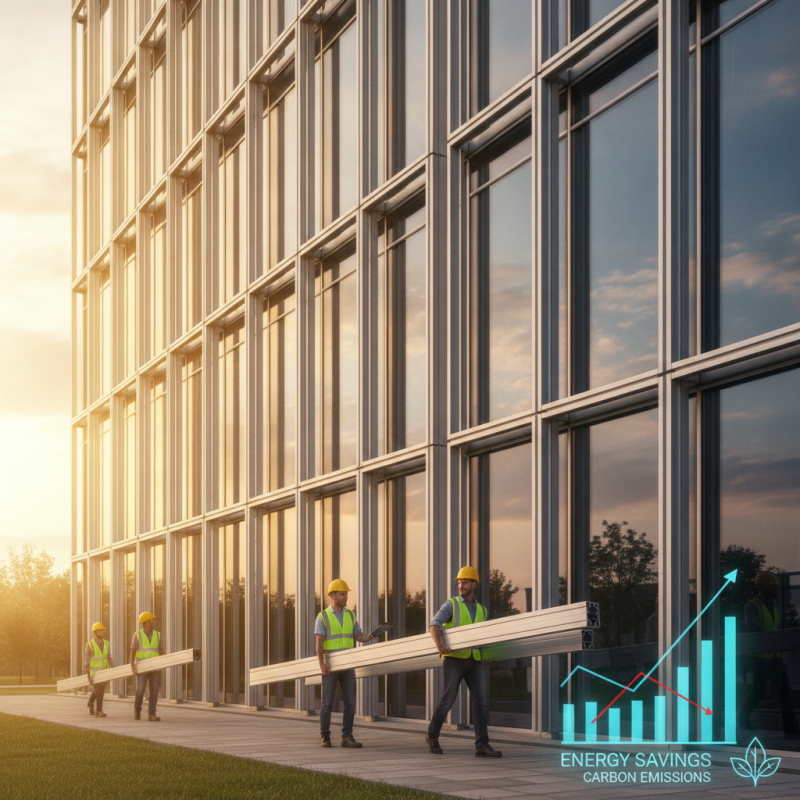
The demand for sustainable building materials is rising. Reports suggest that the construction industry contributes about 39% of global carbon emissions. Among innovative solutions, the "Double-Cavity Aluminum Profile" stands out as a game-changer. This design offers superior thermal insulation, improving energy efficiency in buildings.

Experts estimate that using double-cavity profiles can reduce energy costs by up to 30%. This is a significant consideration for both commercial and residential projects. Additionally, the lightweight nature of these profiles allows for easier handling and installation, enhancing productivity on site.

Despite these advantages, it's essential to analyze the investment cost. The initial expense of double-cavity aluminum profiles may deter some buyers. However, the long-term savings on energy and maintenance can offset this. Ultimately, the choice of materials impacts not only costs but the overall sustainability of projects. A thoughtful approach is required to balance upfront investments with lasting benefits.
Top 10 Benefits of Double-Cavity Aluminum Profile for Buyers?

Understanding Double-Cavity Aluminum Profiles: An Overview

Double-cavity aluminum profiles have gained attention in various industries due to their unique advantages. These profiles feature two cavities that enhance their structural integrity and thermal insulation capabilities. According to a report by the Aluminum Association, such designs can improve energy efficiency by up to 30% compared to single-cavity profiles. This makes them ideal for energy-conscious consumers and businesses.

The versatility of double-cavity aluminum profiles extends to their applications in construction and manufacturing. They are lightweight yet strong, which simplifies handling and installation. A study from the International Aluminum Institute highlights that the use of aluminum can reduce carbon footprints in building projects by 60% over traditional materials. Despite these benefits, the manufacturing processes for double-cavity profiles can be more complex and costly. Therefore, understanding the long-term ROI becomes critical for buyers.

Some industry experts argue that while double-cavity profiles offer many advantages, they may not be suitable for every application. The market can also be unpredictable, leading to fluctuations in availability and pricing. Buyers must weigh the initial investment against the potential savings and performance gains. This reflection is vital for making informed decisions in a rapidly evolving market.

Enhanced Insulation Properties of Double-Cavity Aluminum Profiles

Double-cavity aluminum profiles offer enhanced insulation properties, making them an excellent choice for energy efficiency. These profiles create two separate chambers that trap air, reducing heat transfer. As a result, they help regulate indoor temperatures, providing a more comfortable environment year-round. This feature is particularly attractive for buyers looking to lower energy bills.

When considering the benefits, think about your specific needs. Insulation performance can vary depending on climate. If you live in an area with extreme temperatures, double-cavity profiles may offer significant advantages. They can keep your home warm in winter and cool in summer. However, it’s essential to ensure proper installation to maximize efficiency.

Tips: Always check for certified insulation ratings. Look for profiles that meet industry standards. Proper sealing around these profiles can enhance efficiency further. Regular maintenance is also crucial. Inspect for signs of wear that could compromise insulation over time. Double-cavity designs can fade, and seals may weaken, so staying proactive can lead to substantial savings.

Cost-Effectiveness: Long-Term Savings with Double-Cavity Designs

The double-cavity aluminum profile is becoming increasingly popular due to its remarkable cost-effectiveness. According to industry research, these designs can reduce energy consumption by 30%. This translates to significant long-term savings for homeowners and businesses alike. For example, buildings utilizing double-cavity profiles often experience lower heating and cooling costs. This efficiency is attributed to improved insulation properties and reduced thermal bridging.

Investing in double-cavity aluminum profiles may have a higher upfront cost, yet the return on investment is compelling. Due to their durability, these structures can last longer than traditional methods. A study by the Aluminum Association suggests that aluminum profiles can provide a lifespan of over 50 years. Buyers often overlook maintenance costs. The long life of double-cavity designs means reduced repair and replacement frequency.

Additionally, the environmental benefits can enhance cost efficiency. Using less energy contributes to lower utility bills. A decrease in energy demand also lessens reliance on non-renewable resources. While these designs offer many advantages, it's essential for buyers to assess their specific needs. Relying solely on cost savings might not provide a complete picture. Evaluating energy performance and durability is crucial for informed decisions.

Top 10 Benefits of Double-Cavity Aluminum Profile for Buyers

Durability and Maintenance Benefits of Double-Cavity Aluminum Profiles

Double-cavity aluminum profiles offer exceptional durability. They can withstand harsh weather conditions, making them ideal for outdoor applications. Their robust design reduces the risk of wear and tear. Buyers appreciate their ability to maintain structural integrity over time.

Maintenance is straightforward with double-cavity profiles. These surfaces resist corrosion, eliminating costly repairs. Washing them occasionally is enough to keep them looking new. However, some users might overlook the need for periodic checks. This can lead to unnoticed wear in extreme conditions. Being proactive can enhance their lifespan significantly.

Investing in double-cavity aluminum profiles is often wise. They combine efficiency with long-term reliability. However, potential buyers should be aware of their specific environmental conditions. Analyzing the surroundings can lead to better decision-making. Relying solely on product descriptions might not capture these nuances.

Sustainability Advantages of Using Aluminum in Construction Projects

The sustainability advantages of aluminum in construction projects are significant. As a lightweight material, aluminum requires less energy for transportation. This can lead to reduced carbon footprints during the construction phase. According to the Aluminum Association, aluminum's recycling rate is around 75%, contributing to its sustainability. Using recycled aluminum can save up to 95% of the energy compared to extracting aluminum from raw ore.

Moreover, aluminum is highly durable and resistant to corrosion. This allows for structures to last longer, reducing the need for frequent replacements. A study from the International Aluminum Institute indicates that buildings constructed with aluminum can have a lifespan of over 70 years. However, there are still challenges. Disposal of aluminum can be problematic. It can lead to waste if not properly recycled.

Using double-cavity aluminum profiles adds further benefits. These profiles enhance thermal insulation, leading to energy savings in heating and cooling. In fact, energy-efficient designs in buildings can reduce energy consumption by up to 30%, according to a report by the U.S. Department of Energy. Yet, it’s essential to consider the initial costs involved. Buyers often struggle with investment decisions versus long-term savings.

Top 10 Benefits of Double-Cavity Aluminum Profile for Buyers

Benefit Description Sustainability Aspect
Durability Resistant to corrosion and environmental damage, increasing lifespan. Reduction in resource use due to longer life cycle.
Lightweight Easier to transport compared to heavier materials, decreasing shipping impact. Lower carbon footprint associated with transportation.
Recyclability Can be recycled indefinitely without loss of quality. Supports circular economy principles.
Energy Efficiency Provides good insulation properties, reducing energy consumption. Lower energy costs contribute to sustainability.
Customizability Available in various shapes and finishes, allowing design flexibility. Reduced waste through optimized design choices.
Cost-Effectiveness Long-term savings due to low maintenance needs. Financial sustainability through reduced upkeep costs.
Aesthetic Appeal Modern look that can enhance property value. Improves market appeal without compromising sustainability.
Fire Resistance Excellent fire-resistant properties contributing to safety. Reduces risk and potential waste in fire incidents.
Thermal Conductivity Good conductor of heat, facilitating thermal management. Enhances energy efficiency in buildings.
Low Maintenance Requires minimal upkeep, saving time and resources. Contributes to sustainability by minimizing resource use.